Build your Self-Awareness— Give Back to Yourself Through the Power of Character Strengths

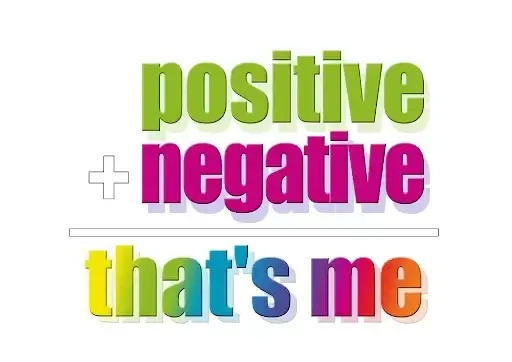
Positive and negative self-awarenessIf you’re like most people, you’ve got a ton of strengths. You’re an excellent parent and a great friend, and your sense of humor is so killer that it makes people laugh and cry equally. And yet………… if you’re like most people, your strength-giving-back plan has fallen short.

You feel like there’s no way to give back the power that strengths give you. You don’t know how to be more giving and grateful for what you’ve got or how to let it go and stop taking things for granted. You just want to keep doing the things that make you happy– but those same activities also make those less fortunate than you are unhappy.

So, what do we do now? How can we take back our power (and share it with others) in a way that makes us all the better?

I was once asked to write an essay about my strengths, and I had no idea what to write. However, through the VIA Strength Survey, I was able to empower myself through the power of strength; the most powerful psychological strength I can give back to myself is self-awareness, and eventually, I became a Strength Practitioner.

In the article:
Understanding of Self-Awareness
5 Reasons Why Using One’s Strengths is Important
2 Types of Self-Awareness

Before you continue you might like to consider our free worksheet on exploring “Overcome Limiting Beliefs”. Please download this worksheet here.

Understanding of Self-Awareness

It is widely understood that self-awareness is critical for success in both personal and professional growth. Self-awareness allows individuals to understand their strengths, weakness, values, and motivation. This understanding will enable individuals to make better choices, act by their values, and achieve their goals.

Self-awareness is also essential for managing difficult situations. When faced with a challenging situation, individuals with a good understanding of their strengths are better equipped to deal with the challenge. For example, an individual who is strong in negotiation may be better suited to resolving conflict than someone weak in this area.
Similarly, an individual with a strong work ethic may be more productive than someone less diligent. The individual’s character strengths are leveraged in both cases to achieve the desired outcome.

It is clear then that understanding and using one’s strengths is essential for success in both personal and professional contexts. It allows individuals to be their best selves, achieve their goals, and manage difficult situations.

The following are the five reasons why understanding and using one’s strengths is important

  1. It Allows Individuals to be their Best Selves.They can be more confident when they understand their strengths. It enables them to be their best selves and achieve their goals. For example, a person who is strong in negotiation may be better suited to resolving conflict than someone weak in this area.
  2. It Allows Individuals to Achieve their Goals.They can use their strengths to achieve them when they know their strengths. For example, a goal-oriented person may be better at this as he is hardworking and willing to achieve his goals more than those weak in this area.
  3. It Allows Individuals to Manage Difficult SituationsKnowing their strengths makes them better equipped to manage difficult situations. For example, a person who is strong in public speaking may be better suited to giving a presentation than someone weak in this area.
  4. It Allows Individuals to be More Productive.When they know their strengths, they are more productive. For example, a person who is strong in writing may be better suited to creating a report that someone weak in this area.
  5. It Allows Individuals to be More Compassionate.When they know their strengths, they are more compassionate. For example, a person who is strong in fundraising may be better suited to raising money for charity than someone weak in this area.Knowing your strengths makes you happier and can help you develop new skills.

2 Types of Self-Awareness

There are also types of self-awareness, according to Psychologists. These are the following:


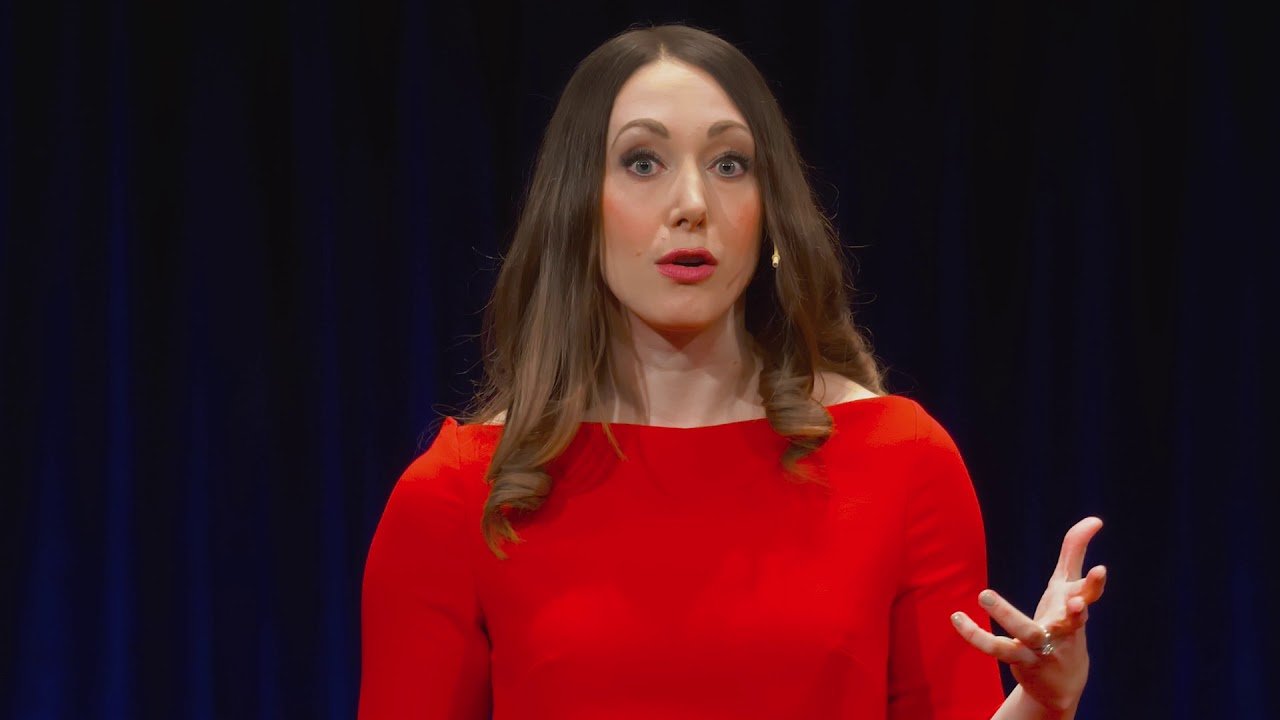
Increase your self-awareness with one simple fix | Tasha Eurich | TEDxMileHigh

In this world where everything is a competition, it’s hard to remember that we are all different. We are all unique and special.

One thing I’ve learned in my life and through this course is that the power of character strength is pretty mighty. It can help you reach your goals, build a strong community, make friends happy, and even help you find a loved one.

You don’t have to wait for other people to tell you about the amazing thing that comes with having a positive attitude via character strength, self-awareness, and being a realist. You can give yourself these tools every day by practicing them in your own life, and eventually, you will realize that you are giving back to yourself the self-awareness that will help make you shine.


Ready to harness the power of self-awareness and character strengths in your life? Download our free worksheet now and start your journey towards personal growth today!


WAIT!

Before you go, we'd like to give you a FREE workbook to support your journey 👇

Smiling woman with wavy brown hair wearing a navy blazer and white shirt, standing in a softly blurred office setting, conveying positivity.

Carolyn Freyer-Jones

Kickstart Your Coaching Practice

Highlights & Achievements:

Coach, facilitator, and contributor to coaching education. Carolyn is associated with practical coaching training and learning resources, supporting coaches and leaders in developing effective, ethical, and reflective coaching practices.
Man in a light blue shirt smiles gently at the camera. He has short, dark hair and stands against a blurred indoor backdrop, conveying warmth and approachability.

Rob Willson

Cognitive Behavioral Coaching

Highlights & Achievements:

Coach and educator contributing to leadership and coaching skills development. Rob is involved in professional training contexts, supporting the application of coaching tools and methodologies in organisational settings.
A woman with shoulder-length blonde hair is confidently posing with crossed arms. She wears a black and white checkered outfit and a necklace. The background is softly blurred, suggesting an indoor setting.

Prof. Ilona Boniwell

Positive Psychology Coaching

Highlights & Achievements:

Professor of Positive Psychology and Coaching Psychology. Ilona is a pioneer of applied positive psychology education in Europe and has founded and led postgraduate programmes in the field. Her work focuses on wellbeing, resilience, strengths, and evidence-based positive psychology interventions.
A middle-aged man with short gray hair and a beard wears a white turtleneck and a navy blue striped sweater, standing confidently indoors.

Jon Williams

Coaching for Performance

Highlights & Achievements:

Coach and contributor to professional coaching education and training programmes. Jon is involved in leadership and coaching development initiatives, supporting skill-building and reflective practice within organisational and coaching contexts.
A man in a blue suit and light blue shirt, with curly blond hair, smiles softly against a blurred, bright indoor background, conveying professionalism.

Prof. Erik de Haan

Relational Coaching

Highlights & Achievements:

Professor, executive coach, and leading expert in coaching supervision. Erik is widely recognised for his contributions to relational coaching, organisational development, and reflective practice, supporting both individual coaches and leadership systems worldwide.
Elderly man in a dark suit and striped shirt smiles warmly, standing in a bright, blurred background. The tone is professional and approachable.

Prof. Peter Hawkins

The Coaching Relationships

Highlights & Achievements:

Professor of Leadership and a leading authority in systemic team coaching and coaching supervision. Peter works internationally with boards, leadership teams, and organisations, and has written extensively on leadership, coaching culture, and systemic change.
Smiling older man in glasses and a light pink shirt sits indoors, with a softly blurred background of a modern, brightly lit office space.

Prof. David Clutterbuck

Goals

Highlights & Achievements:

One of the world’s most influential figures in coaching and mentoring. Professor Clutterbuck has authored and co-authored foundational texts in coaching, mentoring, and organisational development. His work has shaped global standards for coaching practice, supervision, and mentoring relationships.
A bald man in a dark, buttoned shirt with patterned cuffs stands indoors. He smiles subtly, with a bright, blurred background, exuding a calm, confident presence.

Devon White

Communication

Highlights & Achievements:

Coach and leadership development practitioner involved in contemporary coaching education. Devon has contributed to professional coaching programmes and discussions alongside established academics and practitioners in the coaching field.
Smiling woman with short auburn hair wearing a black dress and polka dot jacket. She stands confidently in a bright, blurred office setting.

Linda Aspey

The Coaching Relationships

Highlights & Achievements:

Coach, facilitator, and contributor to professional coaching education. Linda is recognised within the coaching psychology and leadership development community for her involvement in learning programmes, events, and reflective coaching practice.
A woman with short white hair smiles confidently, wearing a red blazer with a popped collar. The background is softly blurred, creating a warm, professional ambiance.

Dr. Chérie Carter-Scott

Psychological Foundations

Highlights & Achievements:

Executive coach, author, and pioneer in the coaching profession. Often referred to as “The Mother of Coaching,” Dr. Carter-Scott has been a leading voice in personal and professional development since the 1970s. She is a bestselling author and has trained coaches and leaders worldwide in motivation, leadership, change, and self-esteem.
Smiling man in suit with colorful tie stands in bright, blurred office. Hands clasped, he exudes confidence and warmth.

Prof. Jonathan Passmore

An Introduction to Coaching

Highlights & Achievements:

Chartered Psychologist, Professor of Coaching and Behavioural Change, executive coach, and author. Jonathan has published extensively in coaching psychology, leadership, and organisational change, including numerous academic articles and books. He bridges academic research and applied practice, contributing globally to coach education and evidence-based coaching.
Smiling man in a black suit and white shirt stands against a softly blurred, bright background. The atmosphere is professional and approachable.

Dr. D. Ivan Young

The Coaching Relationships

Highlights & Achievements:

Coach, educator, and thought leader in professional and relationship-focused coaching. Dr. Young is frequently featured alongside senior coaching scholars and practitioners in advanced coaching education and professional development settings, contributing to the evolution of reflective and relational coaching practice.
Smiling woman with short red hair wearing a blue blouse and earrings, standing in a softly blurred indoor setting, conveying a warm, professional tone.

Catherine Bell

Psychological Foundations

Highlights & Achievements:

Professional Certified Coach (PCC) and Master of Applied Positive Psychology (MAPP). Catherine specializes in leadership transitions, executive presence, and sustainable performance. Her work combines positive psychology, emotional intelligence, and strategic leadership development to help leaders thrive while maintaining wellbeing and purpose.
Smiling man in a navy blazer and shirt stands confidently with hands in pockets. The backdrop is a softly blurred office environment, conveying professionalism.

Yannick Jacob

An Introduction to Coaching

Highlights & Achievements:

Existential Coach, Positive Psychologist, Coach Trainer, and Supervisor. Yannick is the Programme Lead for the Accredited Certificate in Integrative Coaching at the School of Positive Transformation. He has taught coaching, positive psychology, and personal development at institutions including the University of East London, Animas Centre for Coaching, and The School of Life. His work integrates existential philosophy, coaching psychology, and human development to support meaningful change in individuals and leaders.
Build your Self Awareness

Highlights & Achievements: