How to bring mindfulness into your work

Bring Mindfulness into your work is all about bringing awareness to the present moment, and for the average person, 90,000 hours worth of present moments are spent at work throughout their life. Therefore, if mindfulness is your goal, it’s extremely helpful to look at some of its applications during the working day.

But before you continue you might like to consider our free worksheet on exploring “Overcome Anxiety“. Please download this worksheet here.

The first step to mindfulness at work is to make your initial intention. Before you step into the building, tell yourself that today you will try to be present as much as possible. Then, there are a few things you can do to ensure you maintain an environment favorable to mindfulness throughout your workday.

During your day, commit to working on single tasks. It is almost impossible to focus completely on the present moment if your mind is split in two directions. While you’re working, make sure your pop-up notifications are turned off and avoid the temptation of checking your email. When we read our emails while doing another task, it often shifts our focus away from the present because it offers small, low-priority tasks for us to do. When we complete these types of tasks it activates our reward system. Try limiting yourself to pre-set slots of times to check your email, to avoid deviating from other tasks.

A good way to check in with yourself throughout the day is to set mindfulness phone reminders. These reminders can serve as cues to take a moment and ground yourself in the present and feel what it feels like to be fully aware of what’s happening in that instant. This helps to ensure you are not working on autopilot all day, and that you have opportunities to center your mind on the current task.
Work mindfulness habits don’t stop at the office door. When you get home from work, try to stay more present in your home-life by leaving work at your workplace. Avoid checking your work email or stressing about tasks you need to complete the next day. Live in the moment and feel what it feels like to be surrounded by your friends or family or resting after a long day.

If you succeed in making work mindfulness a habit, a whole world of benefits awaits you. You will find yourself stressing less and getting more, higher quality sleep. You will more easily come up with creative solutions and adapt to change.

Mindfulness skills are also valued by employers. Since we shifted to the digital age, we have lived in an “attention economy.” With so much information being bombarded at us, and people possessing varying mental processing skills, human attention is a scarce commodity. Companies are aware that focus and concentration are as important as technical skills in an employee. Employees with focusing skills just work better and can process information with the correct priorities. Because of this new trend, major companies have invested in mindfulness workshops to help increase the work quality of their employees.

It is a great idea to start cultivating mindfulness in the workplace as soon as you can. Not only will it lead to better work experiences for you, but it may also be the reason you get a promotion!

Bring mindfulness into your work does seem counter-intuitive. You’re considering the fact that, by stopping or slowing down, you can become more efficient, productive, happy, resilient and healthy at work.

Looking to enhance your focus and well-being at work? Download our Overcome Anxiety Workbook to help you incorporate mindfulness into your daily routine. Whether you’re striving for more clarity in your tasks or seeking to reduce stress, this workbook will guide you in creating a mindful work environment that boosts productivity and improves your overall mental health. Take the first step toward a more balanced and present workday today!


WAIT!

Before you go, we'd like to give you a FREE workbook to support your journey 👇

Smiling woman with wavy brown hair wearing a navy blazer and white shirt, standing in a softly blurred office setting, conveying positivity.

Carolyn Freyer-Jones

Kickstart Your Coaching Practice

Highlights & Achievements:

Coach, facilitator, and contributor to coaching education. Carolyn is associated with practical coaching training and learning resources, supporting coaches and leaders in developing effective, ethical, and reflective coaching practices.
Man in a light blue shirt smiles gently at the camera. He has short, dark hair and stands against a blurred indoor backdrop, conveying warmth and approachability.

Rob Willson

Cognitive Behavioral Coaching

Highlights & Achievements:

Coach and educator contributing to leadership and coaching skills development. Rob is involved in professional training contexts, supporting the application of coaching tools and methodologies in organisational settings.
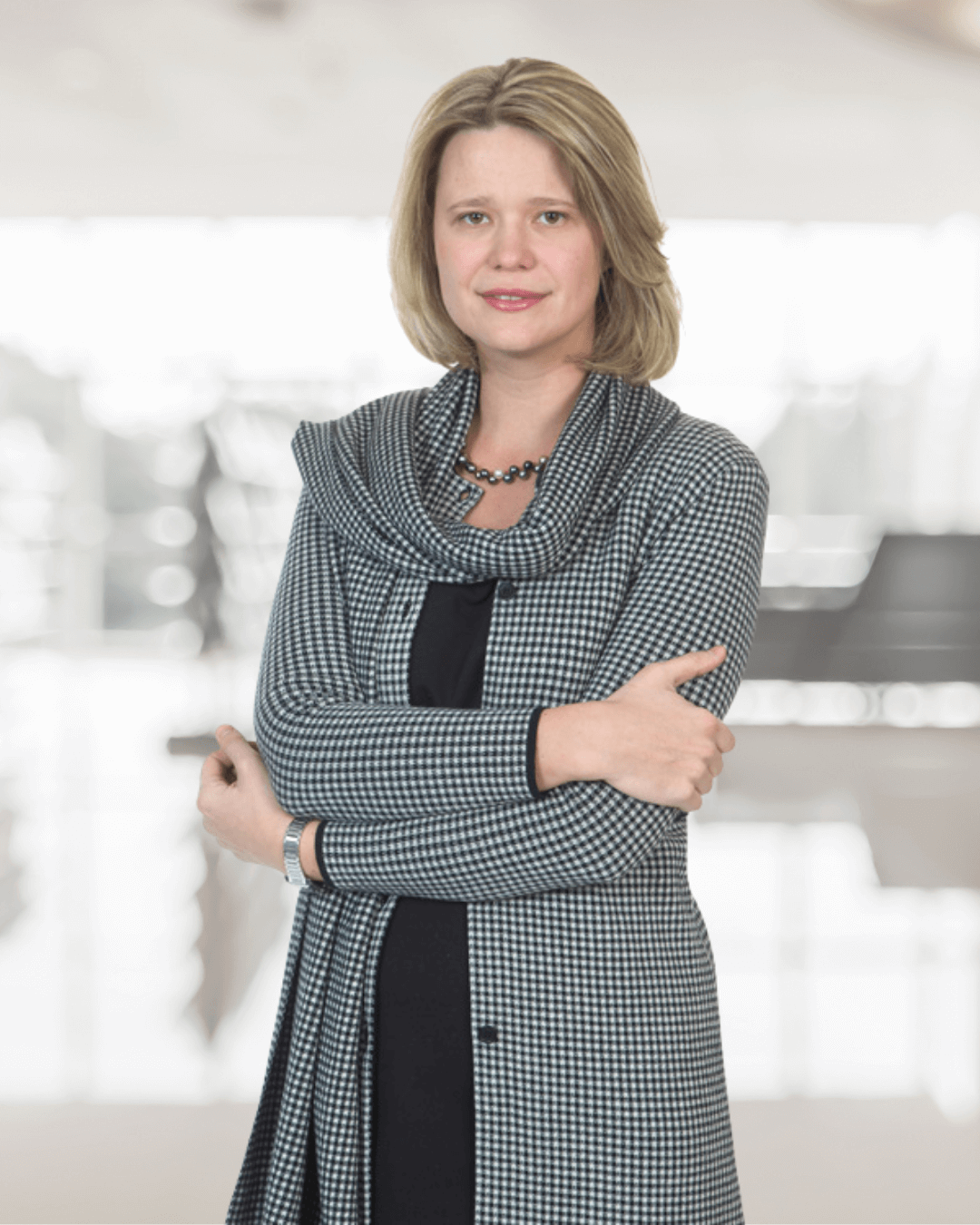
A woman with shoulder-length blonde hair is confidently posing with crossed arms. She wears a black and white checkered outfit and a necklace. The background is softly blurred, suggesting an indoor setting.

Prof. Ilona Boniwell

Positive Psychology Coaching

Highlights & Achievements:

Professor of Positive Psychology and Coaching Psychology. Ilona is a pioneer of applied positive psychology education in Europe and has founded and led postgraduate programmes in the field. Her work focuses on wellbeing, resilience, strengths, and evidence-based positive psychology interventions.
A middle-aged man with short gray hair and a beard wears a white turtleneck and a navy blue striped sweater, standing confidently indoors.

Jon Williams

Coaching for Performance

Highlights & Achievements:

Coach and contributor to professional coaching education and training programmes. Jon is involved in leadership and coaching development initiatives, supporting skill-building and reflective practice within organisational and coaching contexts.
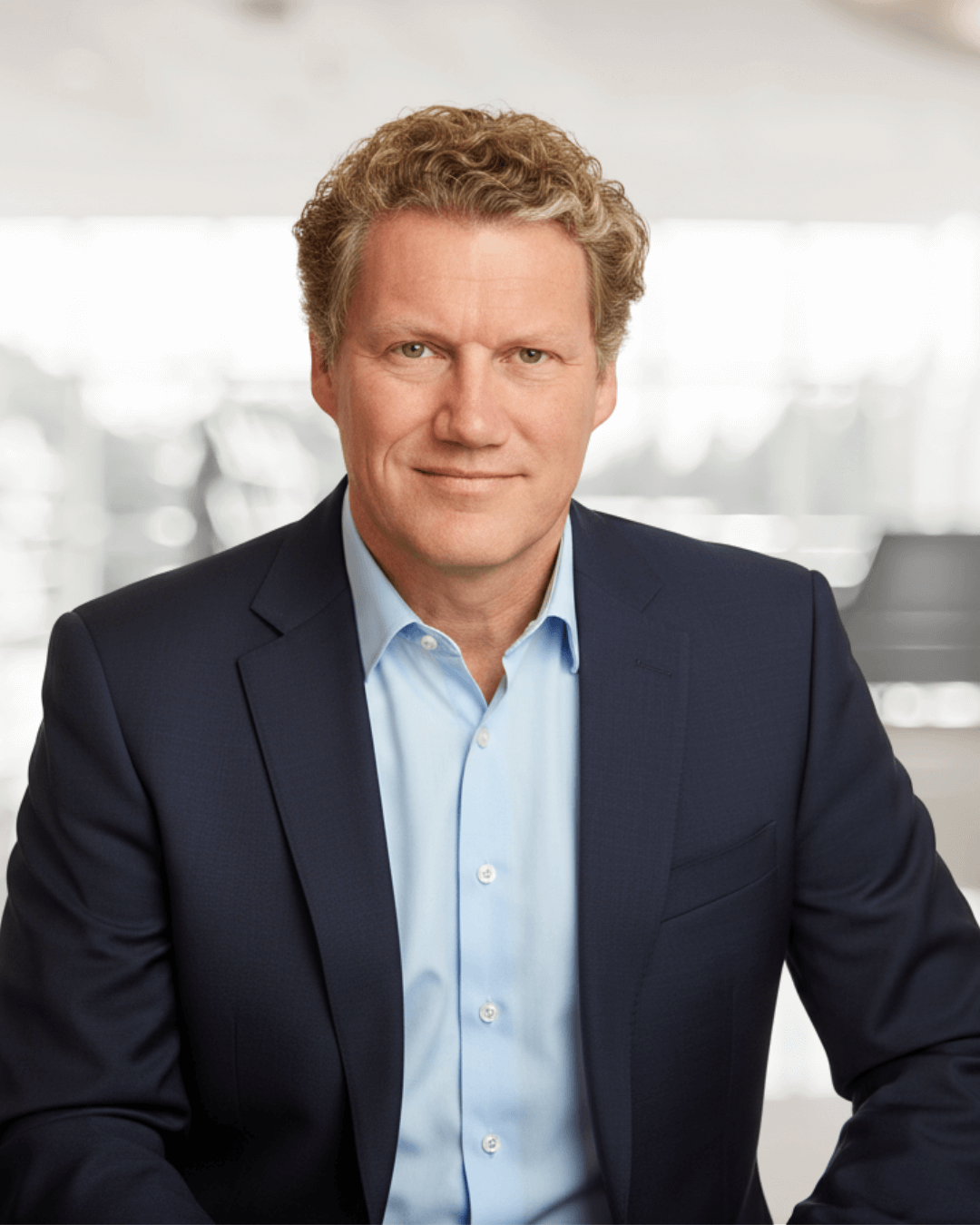
A man in a blue suit and light blue shirt, with curly blond hair, smiles softly against a blurred, bright indoor background, conveying professionalism.

Prof. Erik de Haan

Relational Coaching

Highlights & Achievements:

Professor, executive coach, and leading expert in coaching supervision. Erik is widely recognised for his contributions to relational coaching, organisational development, and reflective practice, supporting both individual coaches and leadership systems worldwide.
Elderly man in a dark suit and striped shirt smiles warmly, standing in a bright, blurred background. The tone is professional and approachable.

Prof. Peter Hawkins

The Coaching Relationships

Highlights & Achievements:

Professor of Leadership and a leading authority in systemic team coaching and coaching supervision. Peter works internationally with boards, leadership teams, and organisations, and has written extensively on leadership, coaching culture, and systemic change.
Smiling older man in glasses and a light pink shirt sits indoors, with a softly blurred background of a modern, brightly lit office space.

Prof. David Clutterbuck

Goals

Highlights & Achievements:

One of the world’s most influential figures in coaching and mentoring. Professor Clutterbuck has authored and co-authored foundational texts in coaching, mentoring, and organisational development. His work has shaped global standards for coaching practice, supervision, and mentoring relationships.
A bald man in a dark, buttoned shirt with patterned cuffs stands indoors. He smiles subtly, with a bright, blurred background, exuding a calm, confident presence.

Devon White

Communication

Highlights & Achievements:

Coach and leadership development practitioner involved in contemporary coaching education. Devon has contributed to professional coaching programmes and discussions alongside established academics and practitioners in the coaching field.
Smiling woman with short auburn hair wearing a black dress and polka dot jacket. She stands confidently in a bright, blurred office setting.

Linda Aspey

The Coaching Relationships

Highlights & Achievements:

Coach, facilitator, and contributor to professional coaching education. Linda is recognised within the coaching psychology and leadership development community for her involvement in learning programmes, events, and reflective coaching practice.
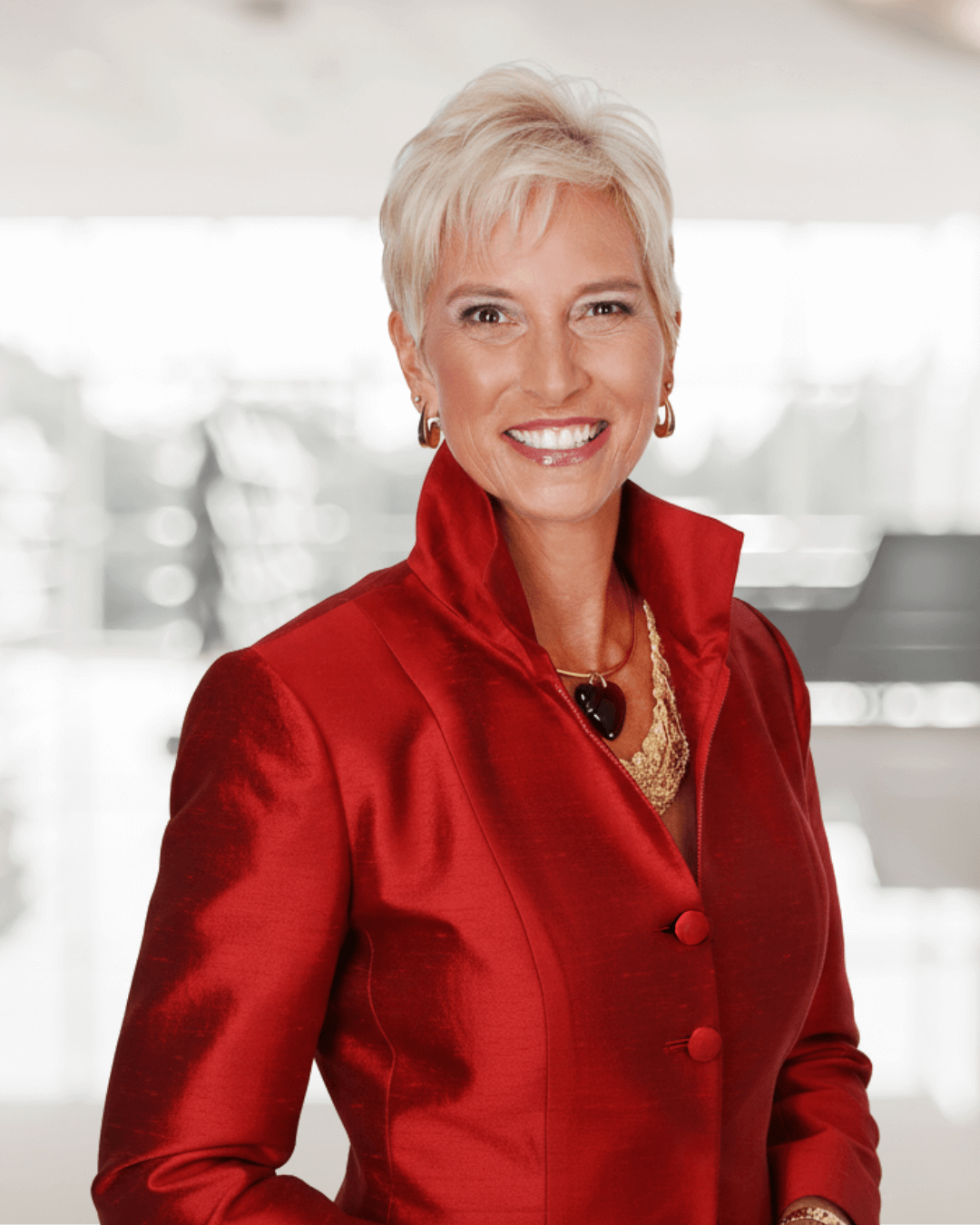
A woman with short white hair smiles confidently, wearing a red blazer with a popped collar. The background is softly blurred, creating a warm, professional ambiance.

Dr. Chérie Carter-Scott

Psychological Foundations

Highlights & Achievements:

Executive coach, author, and pioneer in the coaching profession. Often referred to as “The Mother of Coaching,” Dr. Carter-Scott has been a leading voice in personal and professional development since the 1970s. She is a bestselling author and has trained coaches and leaders worldwide in motivation, leadership, change, and self-esteem.
Smiling man in suit with colorful tie stands in bright, blurred office. Hands clasped, he exudes confidence and warmth.

Prof. Jonathan Passmore

An Introduction to Coaching

Highlights & Achievements:

Chartered Psychologist, Professor of Coaching and Behavioural Change, executive coach, and author. Jonathan has published extensively in coaching psychology, leadership, and organisational change, including numerous academic articles and books. He bridges academic research and applied practice, contributing globally to coach education and evidence-based coaching.
Smiling man in a black suit and white shirt stands against a softly blurred, bright background. The atmosphere is professional and approachable.

Dr. D. Ivan Young

The Coaching Relationships

Highlights & Achievements:

Coach, educator, and thought leader in professional and relationship-focused coaching. Dr. Young is frequently featured alongside senior coaching scholars and practitioners in advanced coaching education and professional development settings, contributing to the evolution of reflective and relational coaching practice.
Smiling woman with short red hair wearing a blue blouse and earrings, standing in a softly blurred indoor setting, conveying a warm, professional tone.

Catherine Bell

Psychological Foundations

Highlights & Achievements:

Professional Certified Coach (PCC) and Master of Applied Positive Psychology (MAPP). Catherine specializes in leadership transitions, executive presence, and sustainable performance. Her work combines positive psychology, emotional intelligence, and strategic leadership development to help leaders thrive while maintaining wellbeing and purpose.
Smiling man in a navy blazer and shirt stands confidently with hands in pockets. The backdrop is a softly blurred office environment, conveying professionalism.

Yannick Jacob

An Introduction to Coaching

Highlights & Achievements:

Existential Coach, Positive Psychologist, Coach Trainer, and Supervisor. Yannick is the Programme Lead for the Accredited Certificate in Integrative Coaching at the School of Positive Transformation. He has taught coaching, positive psychology, and personal development at institutions including the University of East London, Animas Centre for Coaching, and The School of Life. His work integrates existential philosophy, coaching psychology, and human development to support meaningful change in individuals and leaders.
how to bring mindfulness into your work

Highlights & Achievements: