How to Increase Self-Love

Most of us know what increase self-love is but do not understand it. You eat because you understand that you need nourishment. It is sad that most of us are trying to conquer external battles like finding love, finding success, or finding happiness, but we do not understand that self-love is the root from which everything grows.

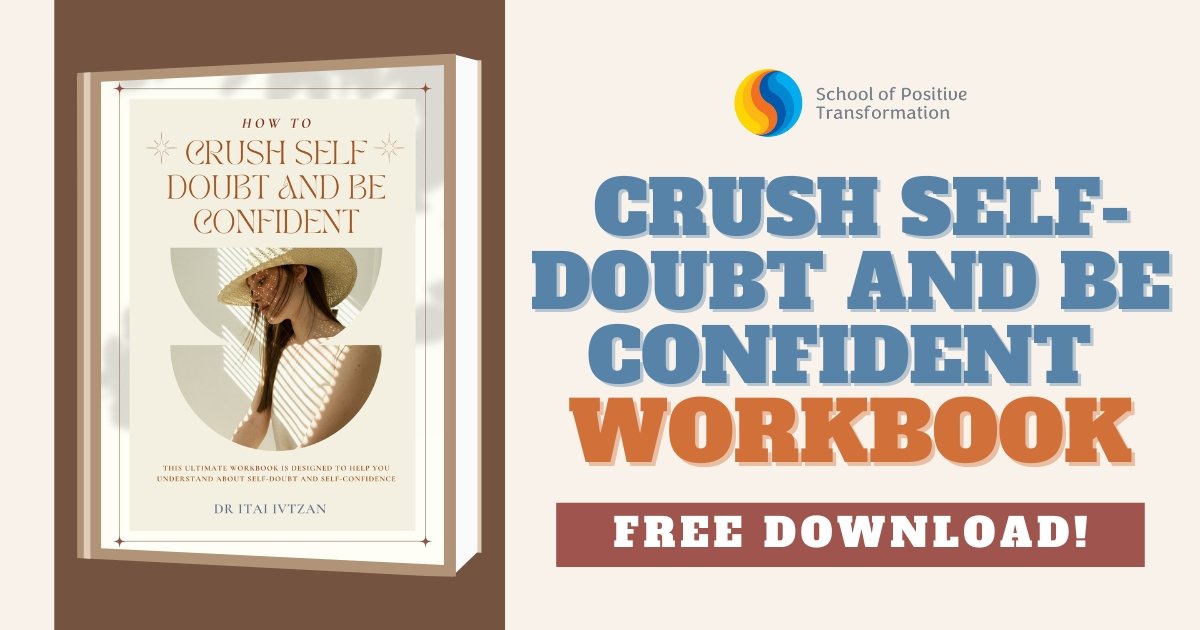
Before you continue you might like to consider our free worksheet on exploring “Crush Self-Doubt”. Please download this worksheet here.

Without self-love, we tend to be constantly down on ourselves, not believe in our abilities, and not be grateful for our positive traits. If we can cultivate this love, however, we can come to appreciate ourselves, accept our flaws, and celebrate what makes us different. People who have self-love tend to stress less and achieve more, as well as have more successful relationships.

There are a few shifts you can make to lead yourself in the direction of self-love. First, don’t assign negative labels to yourself, such as “lazy” or “worthless,” and work to shift any of these labels you already identify with into positive ones. Even if you do perform negatively in some aspects of life, forgive yourself for your mistakes. Adopt the belief that through your efforts you can facilitate improvements.

Another step to self-love is working to actively take care of yourself, but not depriving yourself of pleasure. Healthy eating is an important part of self-love because if you appreciate your body, you want to see it flourish, but it is still important to allow yourself to enjoy food. Staying active also shows investment into your well-being, but torturing yourself with excess exercise can reflect disapproval of yourself and be used as punishment. Make sure you get adequate sleep too. Don’t deprive yourself of your 8 hours!

Self-love also shows up in the way you interact with others. Make sure you are setting boundaries and making others aware of when your needs aren’t being met. Assert yourself and express your opinions instead of passively dismissing your ideas and feelings. Surround yourself with people who are accepting and encouraging. When you have love for yourself, you are less inclined to let others step over you. It is also important to prioritize your health and happiness over relationships. Understand that you deserve to feel your best and to not have to give all your energy to others.

Try to connect with others in real life more so than on social media. Excessive social media use facilitates self-comparison that can drag down your image of yourself. Social media also teaches you to work for the acceptance of others instead of acceptance from yourself. You are constantly rewarded by others with likes and follows, which blocks you from seeking approval internally.

There are also some activities you can do to cultivate self-love. One option is to write a love letter to yourself. In the letter, make sure that you highlight your most valuable qualities. Then, consider how these qualities have benefited your life. Finally, end with a reflection on how you can honor these parts of you in your day to day life.

A simpler task for increasing self-love is saying positive affirmations. Look in the mirror and reaffirm several positive statements. Some ideas include, “I am worthy,” “I love myself,” and “I believe in myself.” It is really helpful to say them first thing in the morning because it sets your day up for gratitude and success. Then, throughout your day, whenever you accomplish something, no matter how big or small, notice it and celebrate it.

Start making small shifts to align your life with these habits, but be patient. Increase self-love can take years to fully cultivate, but if you stick with it, one day you’ll love yourself just like you love any other person in your life.


Ready to quiet your inner critic and start embracing who you truly are? Download our free ‘Crush Self-Doubt Workbook’ and take your first step toward lasting self-love and confidence.

WAIT!

Before you go, we'd like to give you a FREE workbook to support your journey 👇

Smiling woman with wavy brown hair wearing a navy blazer and white shirt, standing in a softly blurred office setting, conveying positivity.

Carolyn Freyer-Jones

Kickstart Your Coaching Practice

Highlights & Achievements:

Coach, facilitator, and contributor to coaching education. Carolyn is associated with practical coaching training and learning resources, supporting coaches and leaders in developing effective, ethical, and reflective coaching practices.
Man in a light blue shirt smiles gently at the camera. He has short, dark hair and stands against a blurred indoor backdrop, conveying warmth and approachability.

Rob Willson

Cognitive Behavioral Coaching

Highlights & Achievements:

Coach and educator contributing to leadership and coaching skills development. Rob is involved in professional training contexts, supporting the application of coaching tools and methodologies in organisational settings.
A woman with shoulder-length blonde hair is confidently posing with crossed arms. She wears a black and white checkered outfit and a necklace. The background is softly blurred, suggesting an indoor setting.

Prof. Ilona Boniwell

Positive Psychology Coaching

Highlights & Achievements:

Professor of Positive Psychology and Coaching Psychology. Ilona is a pioneer of applied positive psychology education in Europe and has founded and led postgraduate programmes in the field. Her work focuses on wellbeing, resilience, strengths, and evidence-based positive psychology interventions.
A middle-aged man with short gray hair and a beard wears a white turtleneck and a navy blue striped sweater, standing confidently indoors.

Jon Williams

Coaching for Performance

Highlights & Achievements:

Coach and contributor to professional coaching education and training programmes. Jon is involved in leadership and coaching development initiatives, supporting skill-building and reflective practice within organisational and coaching contexts.
A man in a blue suit and light blue shirt, with curly blond hair, smiles softly against a blurred, bright indoor background, conveying professionalism.

Prof. Erik de Haan

Relational Coaching

Highlights & Achievements:

Professor, executive coach, and leading expert in coaching supervision. Erik is widely recognised for his contributions to relational coaching, organisational development, and reflective practice, supporting both individual coaches and leadership systems worldwide.
Elderly man in a dark suit and striped shirt smiles warmly, standing in a bright, blurred background. The tone is professional and approachable.

Prof. Peter Hawkins

The Coaching Relationships

Highlights & Achievements:

Professor of Leadership and a leading authority in systemic team coaching and coaching supervision. Peter works internationally with boards, leadership teams, and organisations, and has written extensively on leadership, coaching culture, and systemic change.
Smiling older man in glasses and a light pink shirt sits indoors, with a softly blurred background of a modern, brightly lit office space.

Prof. David Clutterbuck

Goals

Highlights & Achievements:

One of the world’s most influential figures in coaching and mentoring. Professor Clutterbuck has authored and co-authored foundational texts in coaching, mentoring, and organisational development. His work has shaped global standards for coaching practice, supervision, and mentoring relationships.
A bald man in a dark, buttoned shirt with patterned cuffs stands indoors. He smiles subtly, with a bright, blurred background, exuding a calm, confident presence.

Devon White

Communication

Highlights & Achievements:

Coach and leadership development practitioner involved in contemporary coaching education. Devon has contributed to professional coaching programmes and discussions alongside established academics and practitioners in the coaching field.
Smiling woman with short auburn hair wearing a black dress and polka dot jacket. She stands confidently in a bright, blurred office setting.

Linda Aspey

The Coaching Relationships

Highlights & Achievements:

Coach, facilitator, and contributor to professional coaching education. Linda is recognised within the coaching psychology and leadership development community for her involvement in learning programmes, events, and reflective coaching practice.
A woman with short white hair smiles confidently, wearing a red blazer with a popped collar. The background is softly blurred, creating a warm, professional ambiance.

Dr. Chérie Carter-Scott

Psychological Foundations

Highlights & Achievements:

Executive coach, author, and pioneer in the coaching profession. Often referred to as “The Mother of Coaching,” Dr. Carter-Scott has been a leading voice in personal and professional development since the 1970s. She is a bestselling author and has trained coaches and leaders worldwide in motivation, leadership, change, and self-esteem.
Smiling man in suit with colorful tie stands in bright, blurred office. Hands clasped, he exudes confidence and warmth.

Prof. Jonathan Passmore

An Introduction to Coaching

Highlights & Achievements:

Chartered Psychologist, Professor of Coaching and Behavioural Change, executive coach, and author. Jonathan has published extensively in coaching psychology, leadership, and organisational change, including numerous academic articles and books. He bridges academic research and applied practice, contributing globally to coach education and evidence-based coaching.
Smiling man in a black suit and white shirt stands against a softly blurred, bright background. The atmosphere is professional and approachable.

Dr. D. Ivan Young

The Coaching Relationships

Highlights & Achievements:

Coach, educator, and thought leader in professional and relationship-focused coaching. Dr. Young is frequently featured alongside senior coaching scholars and practitioners in advanced coaching education and professional development settings, contributing to the evolution of reflective and relational coaching practice.
Smiling woman with short red hair wearing a blue blouse and earrings, standing in a softly blurred indoor setting, conveying a warm, professional tone.

Catherine Bell

Psychological Foundations

Highlights & Achievements:

Professional Certified Coach (PCC) and Master of Applied Positive Psychology (MAPP). Catherine specializes in leadership transitions, executive presence, and sustainable performance. Her work combines positive psychology, emotional intelligence, and strategic leadership development to help leaders thrive while maintaining wellbeing and purpose.
Smiling man in a navy blazer and shirt stands confidently with hands in pockets. The backdrop is a softly blurred office environment, conveying professionalism.

Yannick Jacob

An Introduction to Coaching

Highlights & Achievements:

Existential Coach, Positive Psychologist, Coach Trainer, and Supervisor. Yannick is the Programme Lead for the Accredited Certificate in Integrative Coaching at the School of Positive Transformation. He has taught coaching, positive psychology, and personal development at institutions including the University of East London, Animas Centre for Coaching, and The School of Life. His work integrates existential philosophy, coaching psychology, and human development to support meaningful change in individuals and leaders.
how to increase self love

Highlights & Achievements: