Meditation Teacher Training Tips for Gathering Your Energy
We can look at meditation teacher training as learning about art and magic in doing nothing. It is considered an instant energy booster and stress reliever. Believe me this is my favorite about meditation.
 “I’m so tired, wish I had more energy.” You hear yourself saying this in moments that you feel burnt out from work and stress. Imagine working for days and you just can’t stop because you have a deadline for tomorrow! You can’t just say “It’s too late in the evening, and I am so sleepy already.”
What can you do other than having caffeinated and sugary food?
In this article:
Secrets shared by my meditation teacher
Why meditation works
Learn to meditate
A Guided Meditation for Gathering Your Energy
Below is a simple solution that will significantly help you recharge fast. It may not seem pleasing when you read it, but it can be such a power to increase energy levels in just a few minutes. I recommend that you record it in case you want to hear it for “recharge time”.
But before you continue you might like to consider our free worksheet on exploring “Meditation Guide”. Please download this worksheet here.
Secrets shared by my meditation teacher
He said in our meditation teacher training that humans need the following as a source of energy:
- Food
- Breath
- Sleep
- A calm (meditative state of mind o) put a happy mind.
The first three sources are primary, and when taken care of, it is a prime means of giving us the required energy. But the fourth has been a secret. Now I’m curious how a meditative mind is a source of power!
We lose our mojo not only through physical activities but also as we go thinking and planning. It is the endless inner dialogue and the mental babbling that makes us tired as well. In meditation teacher training is is called the turiya state, a calm state, which conserves our energy.
Why meditation works
- When an individual is in a deep meditative state is deep, the effect of meditation stays longer than the few minutes of meditation.
- The body is tranquil, yet the mind is alert. This state gives complete rest.
- Meditation increases one’s spontaenousness.
- The body’s oxygen consumption rate goes down. Therefore being able to physiologically rests deeper in those few meditative moments than the rest obtained from a six or an eight-hour sleep. But it should be noted that meditation is not a substitute for sleep.
- Consistent meditation improves health, the mind becomes alert, and the intellect becomes sharp. A good health and a relaxed mind naturally lead to amplified enthusiasm and energy.
 Learn to meditate
For a regular meditator, the space of meditation is easily experienced. It’s easy for a beginner too. Guided meditations are one of the easiest ways to start meditating. There are different kinds of guided meditation for different uses like for alleviating anxiety, stress, and improving sleep.
The following are tips from our meditation teacher to get your daily dose of energy :
- Try to sleep for 6-8 hours every day. Meditation is truly a recommended rejuvenator. We emphasize that it is not a substitute for sleep.
- Make your well-being a priority. Set aside 20 minutes every day for meditation.
- You can exercise before you sit to meditate. This is to ensure effortless meditation.
- Be aware of your food habits and change your diet to ensure a healthy eating plan.
A Guided Meditation for Gathering Your Energy
This practice was taught to us by our meditation teacher to strengthen the ability to concentrate to enable yourself to stop wasting energy and attention.
This attention practice is designed to fortify the force of concentration. If you realize that you have scattered thoughts, how distracted attention, and out of the moment you may be, you can see this to gather our attention and energy. All of that energy could be accessible to us but usually isn’t because we throw it away into distraction. When we collect our attention and energy, we also become integrated. We find a center point and become empowered not to be too torn and fragmented apart.
In this system, the breath will be the focus—how we breathe the in-and-out breath. In meditation teacher training this is called the breath meditation. We don’t try to make the breath different or deeper; we are aware of how it is starts and how it changes.
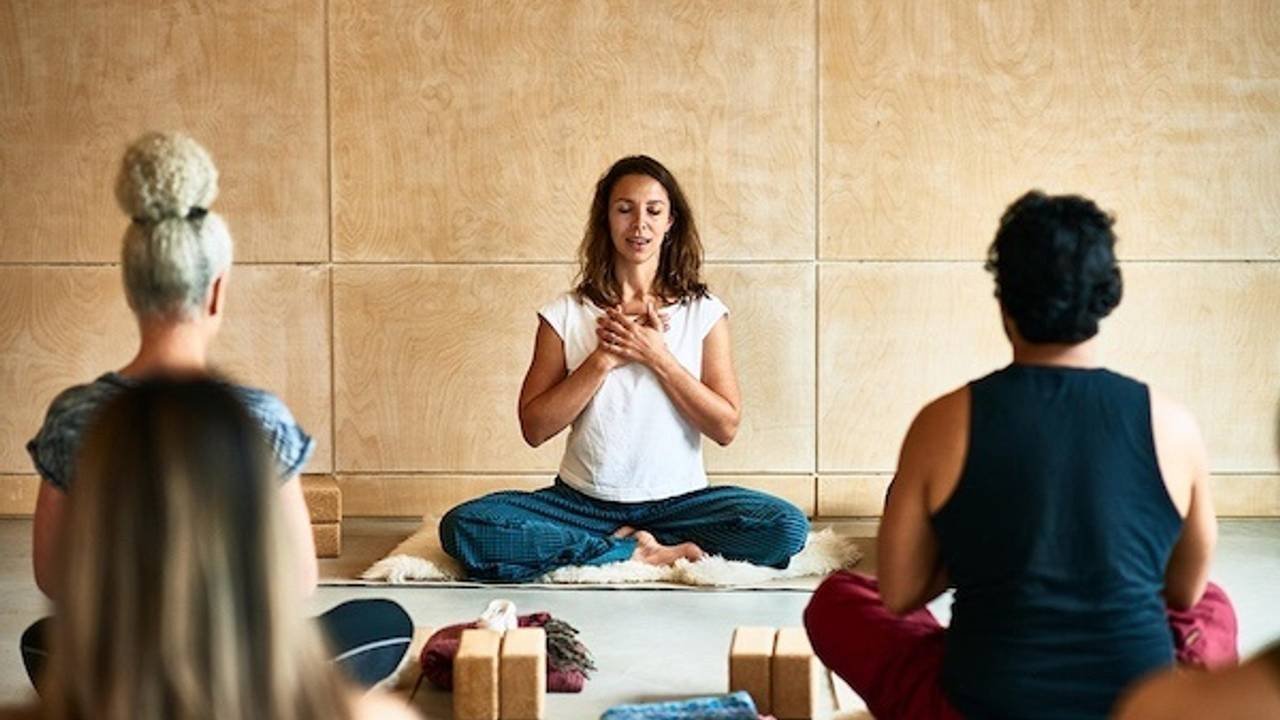
- To start you should try to sit comfortably and relax. Try not to be feel self-conscious, as if you are about to do something special or weird. Just keep yourself at ease. It helps if your back can is straight, without you being strained or overarched. You can opt to close your eyes or not, whatever makes you feel comfortable. Try to notice where the feeling of the breath is most focuses— pay your attention to how you breath through your the nostrils, how your chest goes up and the movement of your abdomen. Try put your attention on the are where your breathing is predominant.
- Try how doing one breath feels, savor it from the beginning, the middle and to the end. If you’re focusing the breath at the nostrils, it can be a tingling, vibration, warmth, coolness. If you focusing at the abdomen, it may be the movement, pressure, stretching, release. You need not name them, focus on feeling them. Remember it’s just one breath.
 Try to pay attention what arises, what comes to you. If images or sounds, emotions, sensations comes to you, the ones that are not strong enough to actually take you away from focusing on the feeling of the breath, just let them flow on by. You don’t have to follow after them, and you don’t have to resist them; you’re breathing. It’s just like seeing a friend in a crowd— you don’t really have to push everyone else aside or try to make them go away, but your interest is going toward your friend: Like, “Oh, there’s my friend. There’s the breath.”
- Notice yourself when you’re distracted. When something arises—be it sensations, emotions, thoughts, whatever it might be—that is strong enough to take your attention away from focusing on the feeling of the breath, or if you have fallen asleep, or if you get lost in some incredible fantasy, try to see if you can let go of the disruption and begin again, bringing your attention back to the breath. If you have to let go and start thousands of times again, it’s reasonable, that’s the practice.
- You can try to notice the rhythm of your breath changing in the course of this meditation session. Remember to just allow it to be however it is. Whatever comes or arises, you can revert your attention back to focus on the feeling of the breath.
- Remember that to effectively let go of distraction you have to remember to be gentle. We can gently let things, thoughts and feelings go, we can forgive ourselves for our wandered mind and thought, and with great kindness to ourselves, we can try to begin again.7. When you are ready, you can open your eyes. See if you can bring attention and awareness to your breath periodically into your day.
Meditation Training programs are based on the teachings of Mindfulness and personal authenticity. Though incorporating understandings from a variety of traditions and spiritual practices, the training does not teach a specific style or tradition.
Ready to boost your energy and calm your mind? Download our ‘Meditation Guide Workbook’ to begin your journey of self-awareness and energy recharging through meditation!