Meditation Teaching— Different Breathing Techniques for Meditation and Mindfulness

Having accredited mindfulness training will introduce you to different breathing techniques. Breathing meditation is the simplest and easiest way to practice meditation and mindfulness. It’s even the most recommended way to learn meditation for beginners.

You can try comparing how controlling your breath through different calming practices feels more amazing than when you do intensive aerobic activities.

But before you continue you might like to consider our free worksheet on exploring “Meditation Guide”. Please download this worksheet here.

In this article:

The Yoga Breathing Technique
Counting Four and Back
Breathing through your Abdomen
Equal Breathing Technique
The 4-7-8 Count
The Stimulating Breath
Mala Bead Breathing
Skull Shining Breath or Kapalabhati
Alternate Nostril Breathing

By learning different techniques for breathing from meditation training you can maximize the benefits of good oxygenation— you might be surprised there are many ways to breathe right!

The Yoga Breathing Technique

This breathing technique is most commonly used in yoga practices and meditation training. This technique aims to calm your breathing, so you can fully benefit from loads of fresh oxygen. To do this breathing technique, follow the following simple steps:

  1. Take a slow, very deep inhale.
  2. Take a pause.
  3. Slowly let your breath out
  4. Take a good pause before going on with your yoga pauses

Counting Four and Back

A commonly used breathing technique for meditation training is by simply counting to four, then counting backward. Every counting is timed with your breath. You can opt to use different numbers, depending on your want you want or how long you want to count. The following are the steps to follow as a template.

  1. Inhale– count one
  2. Exhale – count two
  3. Inhale – count three
  4. Exhale – count forth
  5. Inhale – count three
  6. Exhale – count two
  7. Inhale – count one
  8. Exhale – count two
  9. Repeat

Breathing through your Abdomen

Abdominal breathing is one of the easiest and a commonly recommended techniques for meditation beginners. But this technique is not exclusive to meditation as it can also be used outside of meditation, to reduce stress and finding a sense of calm. It also only takes a couple of minutes to do, making it perfect for any type of situation where you need to recollect yourself. Here are the steps to follow:

  1. Place one hand on your chest
  2. Place the other hand on your stomach
  3. Take a deep breath in through the nose
  4. Feel your hand on your stomach move as you inflate your diaphragm with air
  5. Slowly release your breath

Equal Breathing Technique

Equal breathing is a technique that you can learn from accredited mindfulness training that helps calm the body, mind, and soul. It’s excellent for decreasing stress, calming your nerves, and increasing focus. This technique can be done anywhere and at any time. The following are steps to do this breathing technique:

  1. Take a slow breath in through your nose in four counts.
  2. Slowly breathe out through your nostrils for a count of four

The 4-7-8 Count

The 4-7-8 count, also known as the relaxing breath technique, is not only used in meditation training but also as a grounding technique for panic and anxiety attacks. This exercise is best recommended for those suffering from anxiety and insomnia as it can rapidly calm the nervous system. Here’s how you do it:

  1. Let the tip of your tongue rest at the top back of your teeth
  2. Deeply exhale and let that breathing out be loud, with a big sigh or whooshing sound
  3. Close your mouth and slowly breathe in through your nose, start counting up to four
  4. Keep holding your breath as you count up to seven
  5. Breathe out deeply and as you count up to eight, let out another loud exhale
  6. Repeat

The Stimulating Breath

The Stimulating Breath is a traditional yoga breathing technique called Bhastrika. It is also called the Bellows Breath and it is excellent for expanding alertness and energy. It’s a bit complex on your first try but with some practice, you can perfect it to feel energized Here are the simple steps to do it:

  1. Rapidly breathe in and breathe out through your nose. Make the intervals short and equal for both. For example, you can aim to get two inhales and exhales per second
  2. Continue stimulating your breath for six seconds
  3. As you continue doing it, slowly increase the time that you spend on the practice until you reach a full minute.

Mala Bead Breathing

If you’re not fond of counting or if you feel too overwhelmed, anxious, or preoccupied, to keep count, yoga practice has a solution for that—mala beads. These meditation training tools can be used to track your breath without any counting. You can simply move along the mala beads, to count each breath. Here is how you can use this technique:

  1. Pick a mala bead that is particular to your intention (the reason for your breathing exercise)
  2. Clutch the mala bead in your right hand
  3. Hold it between your middle and index finger
  4. By starting from the guru bead, tread your thumb along with each smaller bead.
  5. While moving from one bead to the other breathing in for each
  6. Do this 108 times, up until you’re back from the start (or guru bead)

Skull Shining Breath or Kapalabhati

This breathing technique is best used to shake off a negative vibe, and energy to warm up your spirit, mind, and body. It can be practiced in the morning, before a meeting, before your exam, or during meditation. Here’s are the steps:

  1. Take a long inhale, slowly.
  2. Let out a quick and massive exhale from your diaphragm
  3. Repeat

Alternate Nostril Breathing

Another common breathing technique used during meditation and yoga is alternate nostril breathing – and yes, it’s exactly what it sounds like. Doing this technique allows you to reenergize your mind, body, and spirit. Here are the steps:

  1. Plug your right nostril with your right thumb
  2. Take a deep breath through the left nostril
  3. Remove your thumb from your right nostril and plug your left nostril with your ring finger
  4. Slowly exhale
  5. Repeat

As with all the different types of meditation, we should acknowledge that not all kinds of meditation can work for you. The same principle applies to the use of different breathing techniques.

To quote or meditation training motto “Do what works for you.”

So have you tried any of these different breathing techniques? Let me know how it worked and which is the best type for you!


WAIT!

Before you go, we'd like to give you a FREE workbook to support your journey 👇

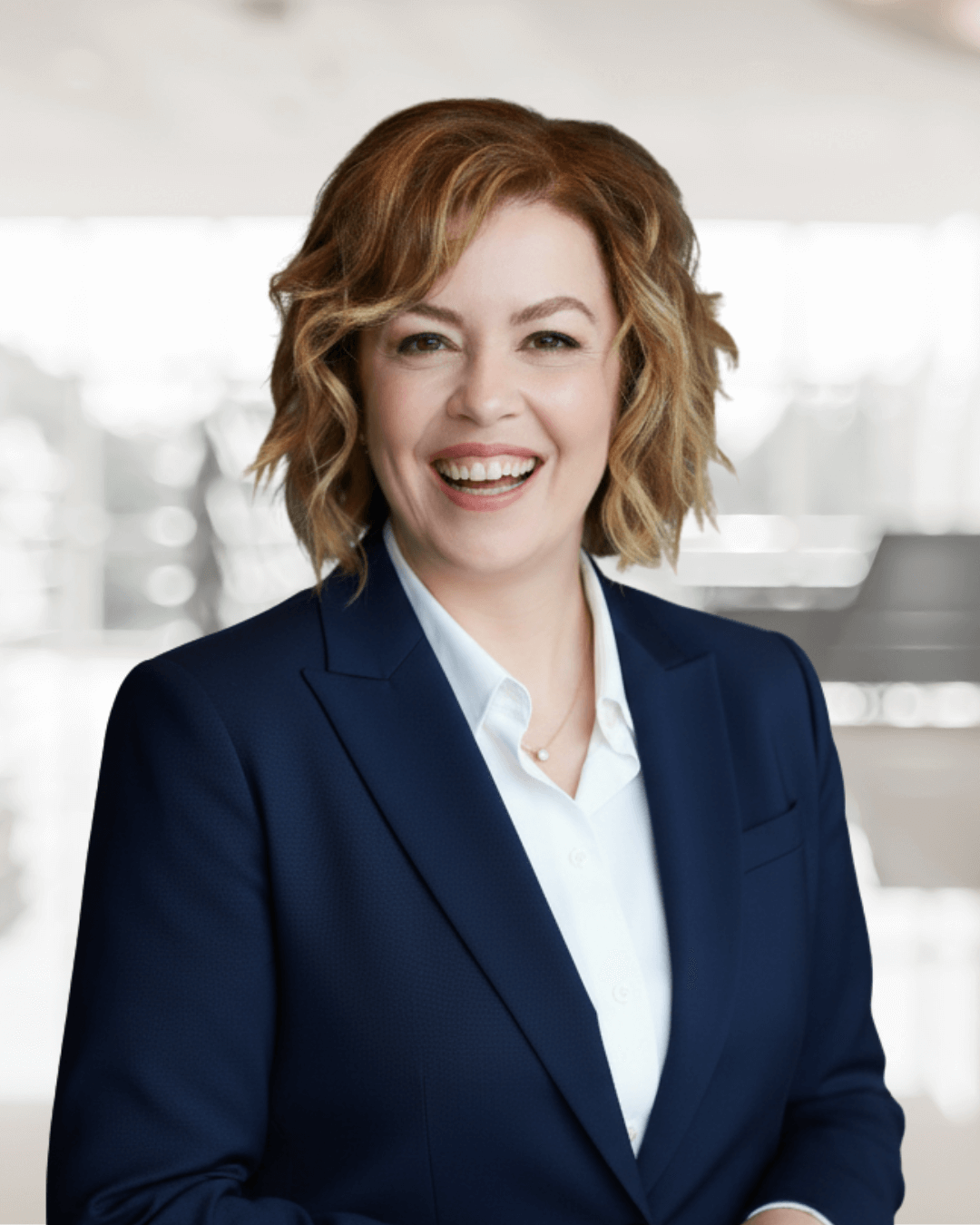
Smiling woman with wavy brown hair wearing a navy blazer and white shirt, standing in a softly blurred office setting, conveying positivity.

Carolyn Freyer-Jones

Kickstart Your Coaching Practice

Highlights & Achievements:

Coach, facilitator, and contributor to coaching education. Carolyn is associated with practical coaching training and learning resources, supporting coaches and leaders in developing effective, ethical, and reflective coaching practices.
Man in a light blue shirt smiles gently at the camera. He has short, dark hair and stands against a blurred indoor backdrop, conveying warmth and approachability.

Rob Willson

Cognitive Behavioral Coaching

Highlights & Achievements:

Coach and educator contributing to leadership and coaching skills development. Rob is involved in professional training contexts, supporting the application of coaching tools and methodologies in organisational settings.
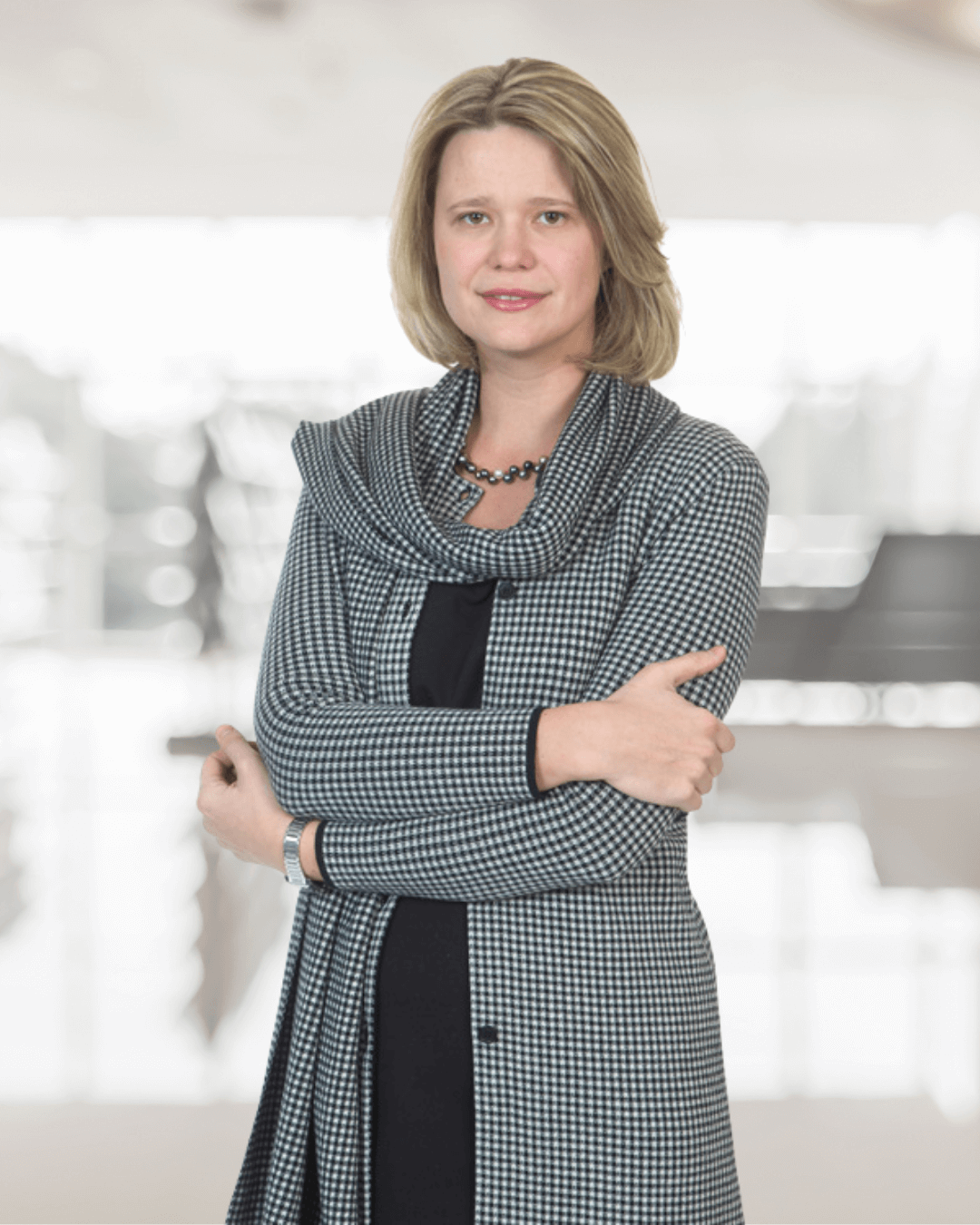
A woman with shoulder-length blonde hair is confidently posing with crossed arms. She wears a black and white checkered outfit and a necklace. The background is softly blurred, suggesting an indoor setting.

Prof. Ilona Boniwell

Positive Psychology Coaching

Highlights & Achievements:

Professor of Positive Psychology and Coaching Psychology. Ilona is a pioneer of applied positive psychology education in Europe and has founded and led postgraduate programmes in the field. Her work focuses on wellbeing, resilience, strengths, and evidence-based positive psychology interventions.
A middle-aged man with short gray hair and a beard wears a white turtleneck and a navy blue striped sweater, standing confidently indoors.

Jon Williams

Coaching for Performance

Highlights & Achievements:

Coach and contributor to professional coaching education and training programmes. Jon is involved in leadership and coaching development initiatives, supporting skill-building and reflective practice within organisational and coaching contexts.
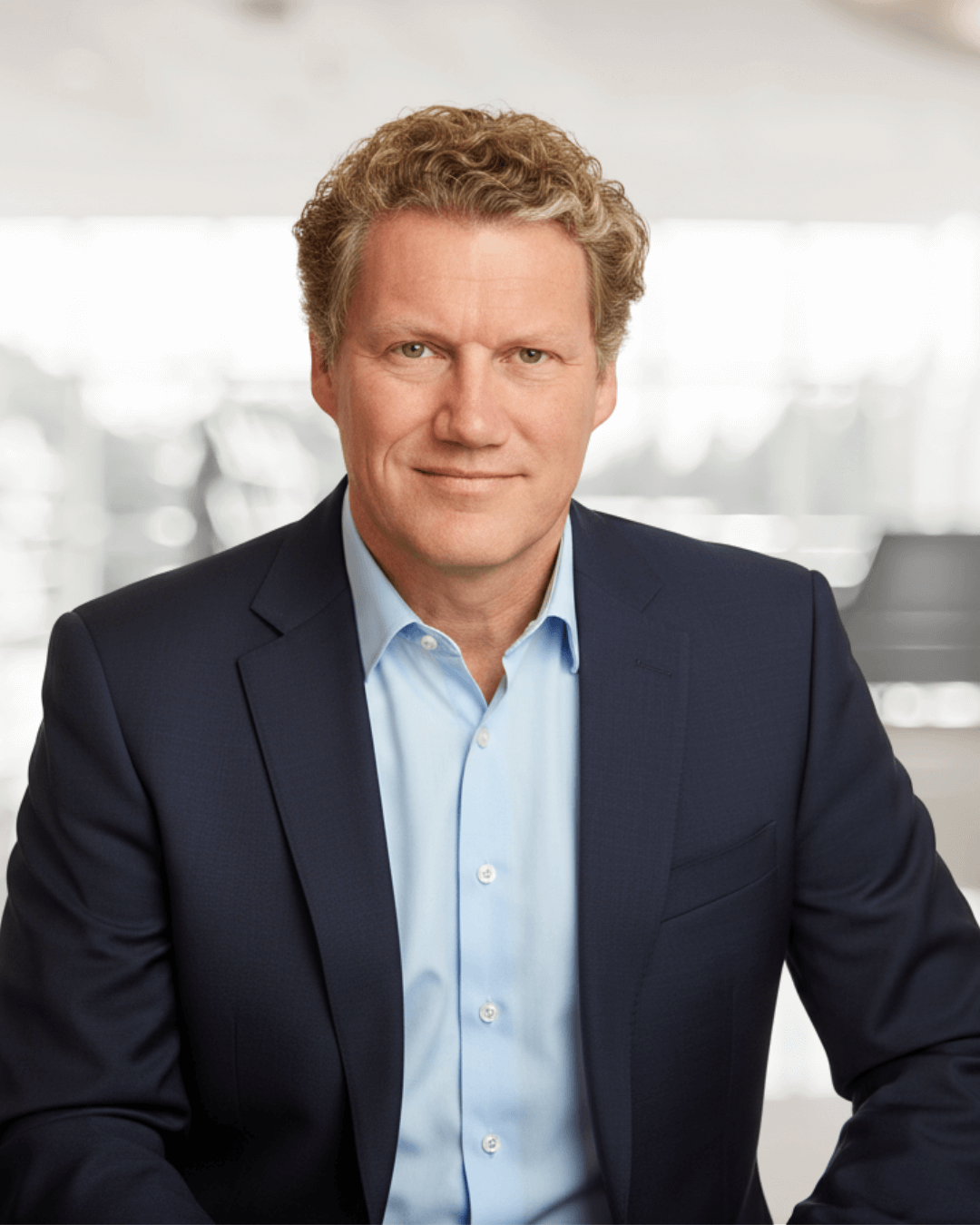
A man in a blue suit and light blue shirt, with curly blond hair, smiles softly against a blurred, bright indoor background, conveying professionalism.

Prof. Erik de Haan

Relational Coaching

Highlights & Achievements:

Professor, executive coach, and leading expert in coaching supervision. Erik is widely recognised for his contributions to relational coaching, organisational development, and reflective practice, supporting both individual coaches and leadership systems worldwide.
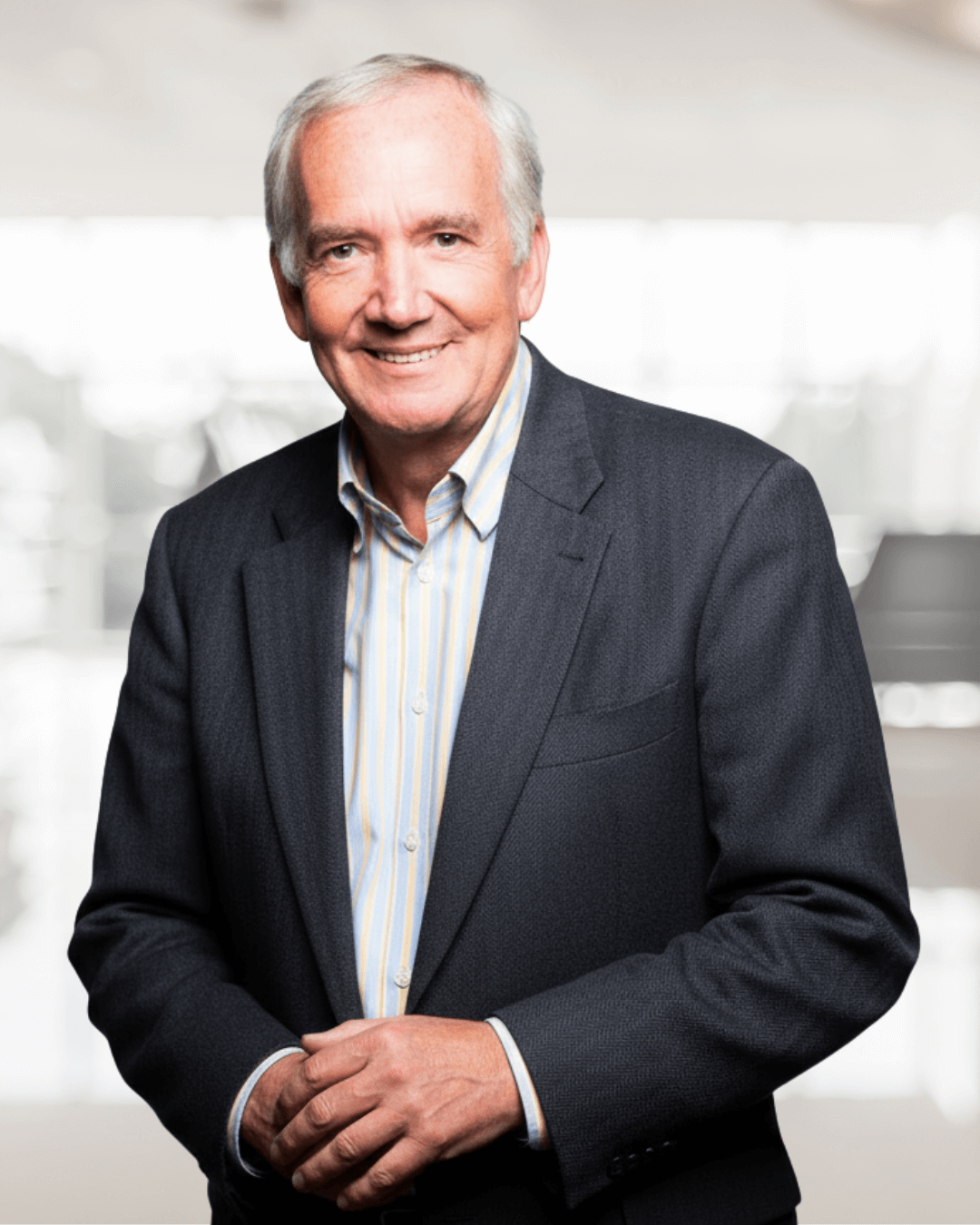
Elderly man in a dark suit and striped shirt smiles warmly, standing in a bright, blurred background. The tone is professional and approachable.

Prof. Peter Hawkins

The Coaching Relationships

Highlights & Achievements:

Professor of Leadership and a leading authority in systemic team coaching and coaching supervision. Peter works internationally with boards, leadership teams, and organisations, and has written extensively on leadership, coaching culture, and systemic change.
Smiling older man in glasses and a light pink shirt sits indoors, with a softly blurred background of a modern, brightly lit office space.

Prof. David Clutterbuck

Goals

Highlights & Achievements:

One of the world’s most influential figures in coaching and mentoring. Professor Clutterbuck has authored and co-authored foundational texts in coaching, mentoring, and organisational development. His work has shaped global standards for coaching practice, supervision, and mentoring relationships.
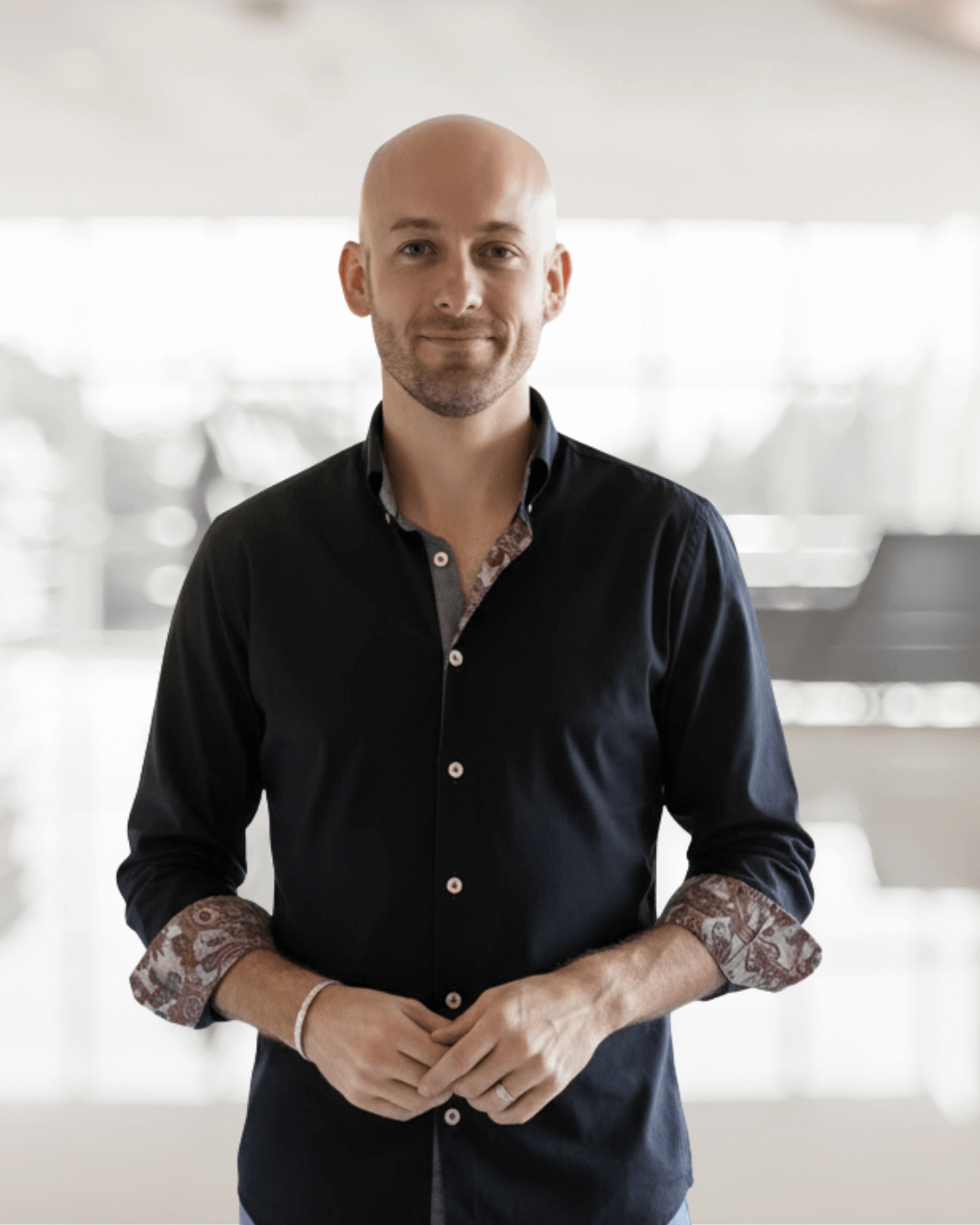
A bald man in a dark, buttoned shirt with patterned cuffs stands indoors. He smiles subtly, with a bright, blurred background, exuding a calm, confident presence.

Devon White

Communication

Highlights & Achievements:

Coach and leadership development practitioner involved in contemporary coaching education. Devon has contributed to professional coaching programmes and discussions alongside established academics and practitioners in the coaching field.
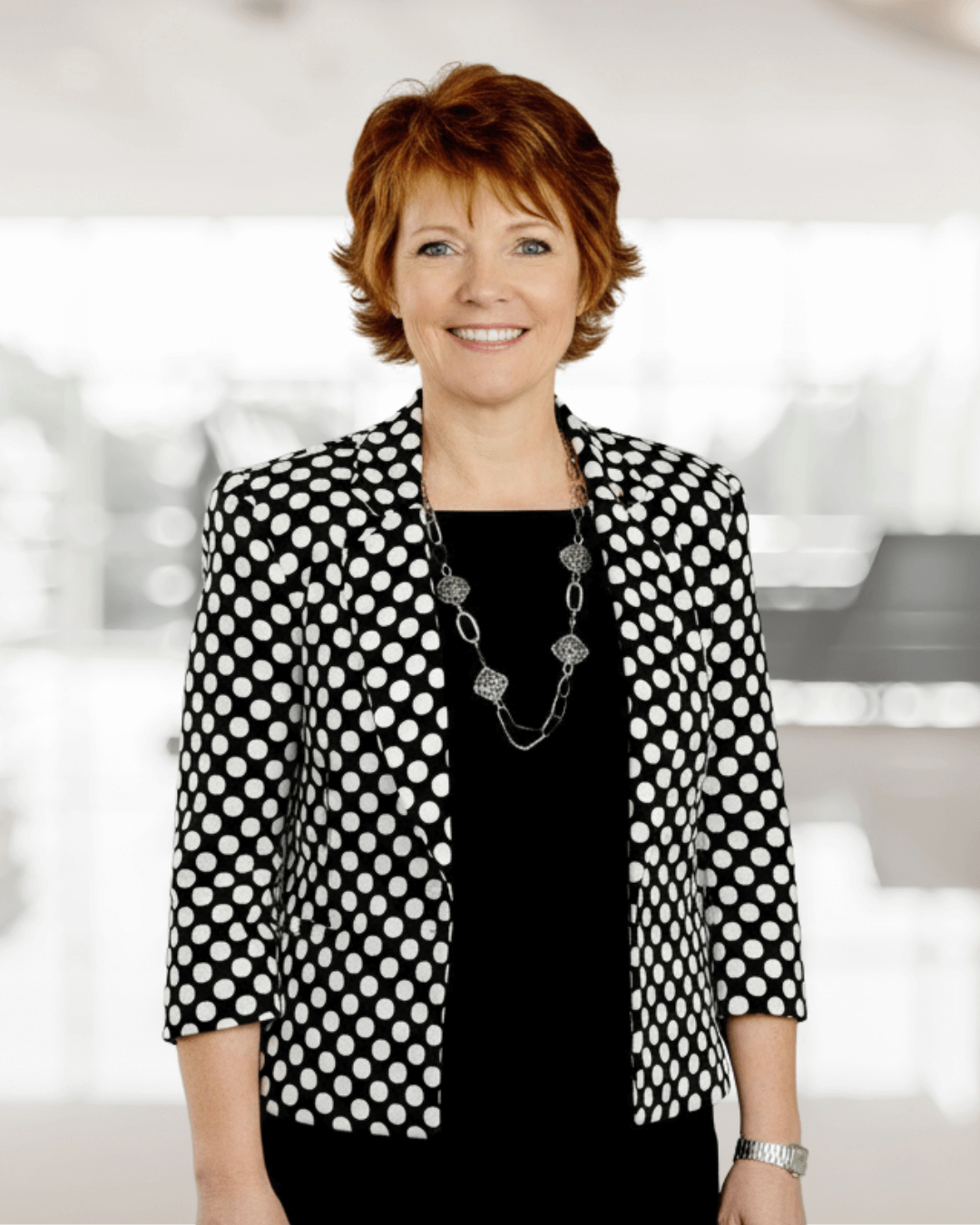
Smiling woman with short auburn hair wearing a black dress and polka dot jacket. She stands confidently in a bright, blurred office setting.

Linda Aspey

The Coaching Relationships

Highlights & Achievements:

Coach, facilitator, and contributor to professional coaching education. Linda is recognised within the coaching psychology and leadership development community for her involvement in learning programmes, events, and reflective coaching practice.
A woman with short white hair smiles confidently, wearing a red blazer with a popped collar. The background is softly blurred, creating a warm, professional ambiance.

Dr. Chérie Carter-Scott

Psychological Foundations

Highlights & Achievements:

Executive coach, author, and pioneer in the coaching profession. Often referred to as “The Mother of Coaching,” Dr. Carter-Scott has been a leading voice in personal and professional development since the 1970s. She is a bestselling author and has trained coaches and leaders worldwide in motivation, leadership, change, and self-esteem.
Smiling man in suit with colorful tie stands in bright, blurred office. Hands clasped, he exudes confidence and warmth.

Prof. Jonathan Passmore

An Introduction to Coaching

Highlights & Achievements:

Chartered Psychologist, Professor of Coaching and Behavioural Change, executive coach, and author. Jonathan has published extensively in coaching psychology, leadership, and organisational change, including numerous academic articles and books. He bridges academic research and applied practice, contributing globally to coach education and evidence-based coaching.
Smiling man in a black suit and white shirt stands against a softly blurred, bright background. The atmosphere is professional and approachable.

Dr. D. Ivan Young

The Coaching Relationships

Highlights & Achievements:

Coach, educator, and thought leader in professional and relationship-focused coaching. Dr. Young is frequently featured alongside senior coaching scholars and practitioners in advanced coaching education and professional development settings, contributing to the evolution of reflective and relational coaching practice.
Smiling woman with short red hair wearing a blue blouse and earrings, standing in a softly blurred indoor setting, conveying a warm, professional tone.

Catherine Bell

Psychological Foundations

Highlights & Achievements:

Professional Certified Coach (PCC) and Master of Applied Positive Psychology (MAPP). Catherine specializes in leadership transitions, executive presence, and sustainable performance. Her work combines positive psychology, emotional intelligence, and strategic leadership development to help leaders thrive while maintaining wellbeing and purpose.
Smiling man in a navy blazer and shirt stands confidently with hands in pockets. The backdrop is a softly blurred office environment, conveying professionalism.

Yannick Jacob

An Introduction to Coaching

Highlights & Achievements:

Existential Coach, Positive Psychologist, Coach Trainer, and Supervisor. Yannick is the Programme Lead for the Accredited Certificate in Integrative Coaching at the School of Positive Transformation. He has taught coaching, positive psychology, and personal development at institutions including the University of East London, Animas Centre for Coaching, and The School of Life. His work integrates existential philosophy, coaching psychology, and human development to support meaningful change in individuals and leaders.
Meditation Teaching— Different Breathing Techniques for Meditation and Mindfulness

Highlights & Achievements: