Psychology and Spirituality: BFFs or Rivals?

Here is an interesting way to examine the relationship between psychology and spirituality. Join a group of psychologists and drop into the conversation a few spiritual concepts. Talk about transcendence, oneness, unity consciousness, and the sacred. The contemptuous faces you then receive will directly correlate with the number of spiritual concepts you share. It’s a very similar experience the other way around. Join a group of spiritual seekers and discuss the beauty of the mind, and the power of science. Again, you probably won’t end up being their best friend.

But before you continue you might like to consider our free worksheet on exploring “Dream Bigger Planner”. Please download this worksheet here.

For the last 15 years I have been a university professor of psychology, while simultaneously submerging myself in spirituality. I have spent long years studying, travelling the world, listening to lectures conceived by the most fascinating minds, and conferring with great teachers in monasteries. These experiences have revealed to me the powers of both psychology and spirituality. I have discovered the amazing knowledge and depth they both offer, and the wonderful way in which they support our growth process. But it has also become obvious to me that the two appear to be irreconcilable. It is almost as if they are perceived as rivals, as conflicting ways of understanding life that could never converge.

In the academic milieu, where I have been teaching and conducting research, spirituality is frequently frowned upon, perceived as esoteric and metaphysical; a sphere that could never be part of the scientific realm. At the same time, whenever I associate with spiritual groups, participate in satsangs (talks conducted by spiritual teachers with their disciples), or spend time in spiritual retreats, science and psychology seem to be out of place. I have often felt torn; whatever group I have been part of lacks certain elements that are readily available in the other group.

This feeling of something being missing is what spurred me to start my own work, my own personal journey, and merge the teachings of both the psychological and spiritual worlds. The results of this have been amazing: with time, I have felt increasingly liberated. I have become better acquainted with my authentic self and begun to understand my role in the play called life. So what insights have I gained, regarding the relationship between psychology and spirituality?

Psychology, as you might know, is the study of the mind or the soul. Significantly, in the West, psychology is only referred to as the study of the mind, whereas the “soul” part is completely ignored. Although psychology could potentially be the discipline that brings together the mind and the soul, the purely analytical approach adopted in the West has been unable to accommodate the soul. Psychology, therefore, deals with the mind: the way we think, consciously form concepts, understand the world around us and make sense of it. Spirituality, on the other hand, can be defined in many different ways and yet it is frequently regarded as a practical tool to achieve self-growth because it paves the way for transcendence. It helps us transcend the analytical functioning and cognitive processing of the mind, and makes room for other experiences.

Therefore, the heart and soul of spirituality is the experience of “Self-Transcendence” in which you allow the experience of your self to move beyond the personal self (“I’m John/Itai/Michelle”) into an experience where the attachment to that personal self disappears. At that point you become part of all that is around and within you; you are one with everything. You might have experienced such a spiritual moment, for instance as you were standing at the top of a mountain when the sun was rising or setting, and for a few moments (which might have felt like a lifetime) “you” did not exist, and it was only a setting sun and the blowing wind that were there. article continues after advertisement


That is the reason why the practice of meditation is central to almost all branches of spirituality. The experience of self-transcendence is dependent upon our ability to be present, aware, engaged with the moment as it is. That state of presence is required in order to shed the limited personal self and move into self-transcendence. The personal self is the main reason for the fact that we often feel separated from all that is around us. If I stand at the top of the mountain, watching the sun setting, without an experience of self-transcendence, this is due to my attachment to the idea of “Itai” as something that is separate from the experience of the moment. Meditation, through consistent practice, teaches us how to let go, momentarily, of that personal self, so that we can be present within the experience of the moment, whatever it is.

Psychology and spirituality could be described as “feet on the ground, head in the sky”. Psychology represents the “grounding” effect, in which the mind is used for thinking, rationalizing, and understanding life. This is an essential part of our lives – the mind is a beautiful tool that, as long as we are in control over it, allows us to make conscious choices which are beneficial for us. Spirituality transcends rational thought and allows us to shift into deep presence. As part of that experience, you won’t engage with the moment while using the mind as an interpreter; instead, you allow your awareness to embrace the moment as it is and simply be there, in the deliciousness of presence.
I wholeheartedly believe that living a full life would mean embracing both these different aspects of life, and maintaining a balance between them. Most people tend to search for one single unambiguous answer, and dismiss all others. They either follow the mind-oriented psychological path, or the spiritual, self-transcending one. By adhering to their one-sided views, both groups are restricting themselves. While being well-equipped to deal with certain situations, they are ill-equipped to deal with others. Rather than being contradictory, mind-based and presence-based experiences are in fact complementary to one another. They represent two aspects of the entity we call life.
Certain moments in life require mind-oriented skills, while in others one must let go of the mind and simply be there. Doing and Being. Having both options at one’s disposal at any given moment offers greater flexibility, and the ability to take appropriate action. This can happen only when both the psychological and the spiritual are alive within you. To realize in full the potential for growth in your life, you must be able to shift between the psychological and the spiritual poles, in accordance with the situation and at your own choice.


Ready to deepen your practice of self-awareness and transcendence? Download our free Workbook and start integrating mindfulness into your daily life today.


WAIT!

Before you go, we'd like to give you a FREE workbook to support your journey 👇

Smiling woman with wavy brown hair wearing a navy blazer and white shirt, standing in a softly blurred office setting, conveying positivity.

Carolyn Freyer-Jones

Kickstart Your Coaching Practice

Highlights & Achievements:

Coach, facilitator, and contributor to coaching education. Carolyn is associated with practical coaching training and learning resources, supporting coaches and leaders in developing effective, ethical, and reflective coaching practices.
Man in a light blue shirt smiles gently at the camera. He has short, dark hair and stands against a blurred indoor backdrop, conveying warmth and approachability.

Rob Willson

Cognitive Behavioral Coaching

Highlights & Achievements:

Coach and educator contributing to leadership and coaching skills development. Rob is involved in professional training contexts, supporting the application of coaching tools and methodologies in organisational settings.
A woman with shoulder-length blonde hair is confidently posing with crossed arms. She wears a black and white checkered outfit and a necklace. The background is softly blurred, suggesting an indoor setting.

Prof. Ilona Boniwell

Positive Psychology Coaching

Highlights & Achievements:

Professor of Positive Psychology and Coaching Psychology. Ilona is a pioneer of applied positive psychology education in Europe and has founded and led postgraduate programmes in the field. Her work focuses on wellbeing, resilience, strengths, and evidence-based positive psychology interventions.
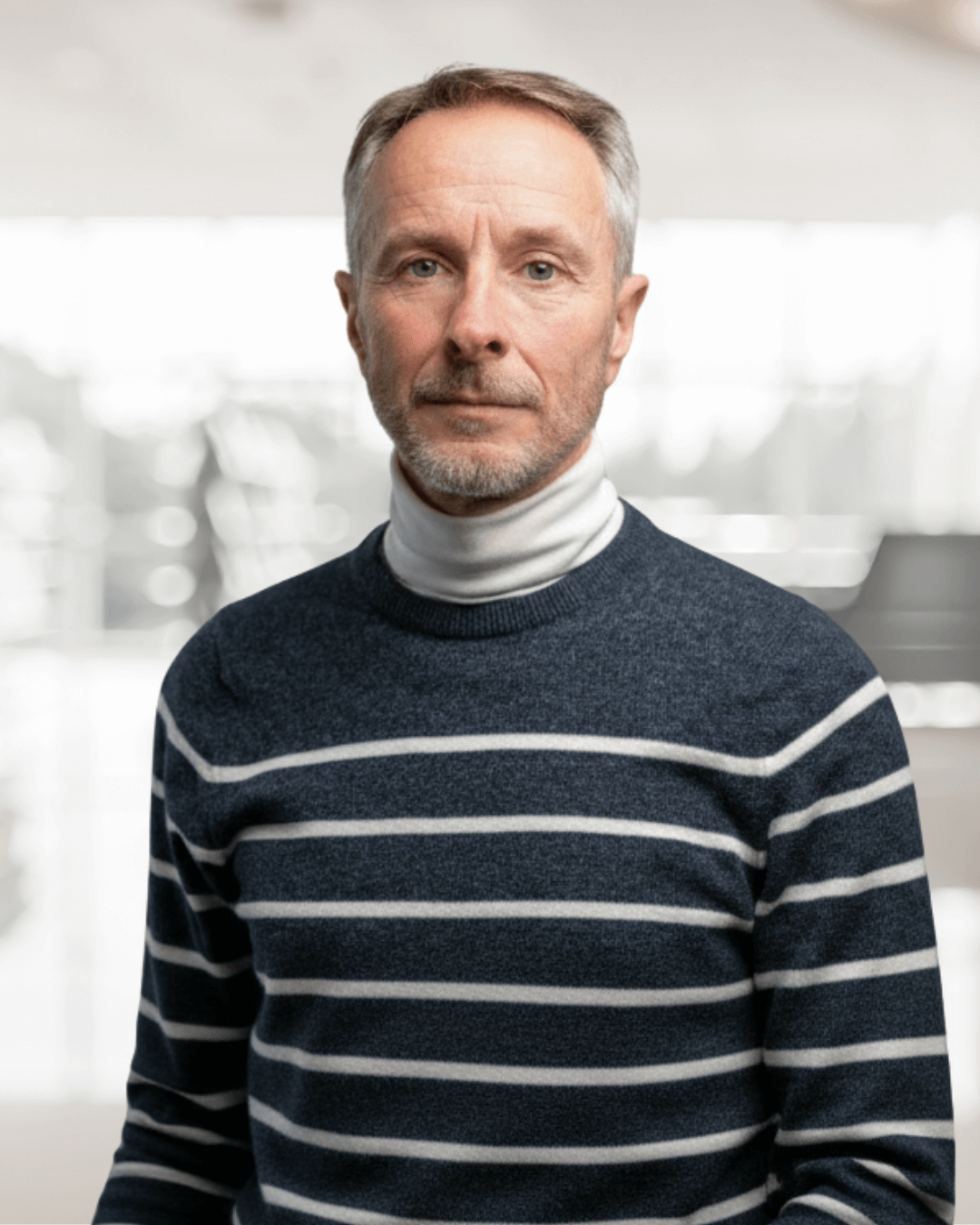
A middle-aged man with short gray hair and a beard wears a white turtleneck and a navy blue striped sweater, standing confidently indoors.

Jon Williams

Coaching for Performance

Highlights & Achievements:

Coach and contributor to professional coaching education and training programmes. Jon is involved in leadership and coaching development initiatives, supporting skill-building and reflective practice within organisational and coaching contexts.
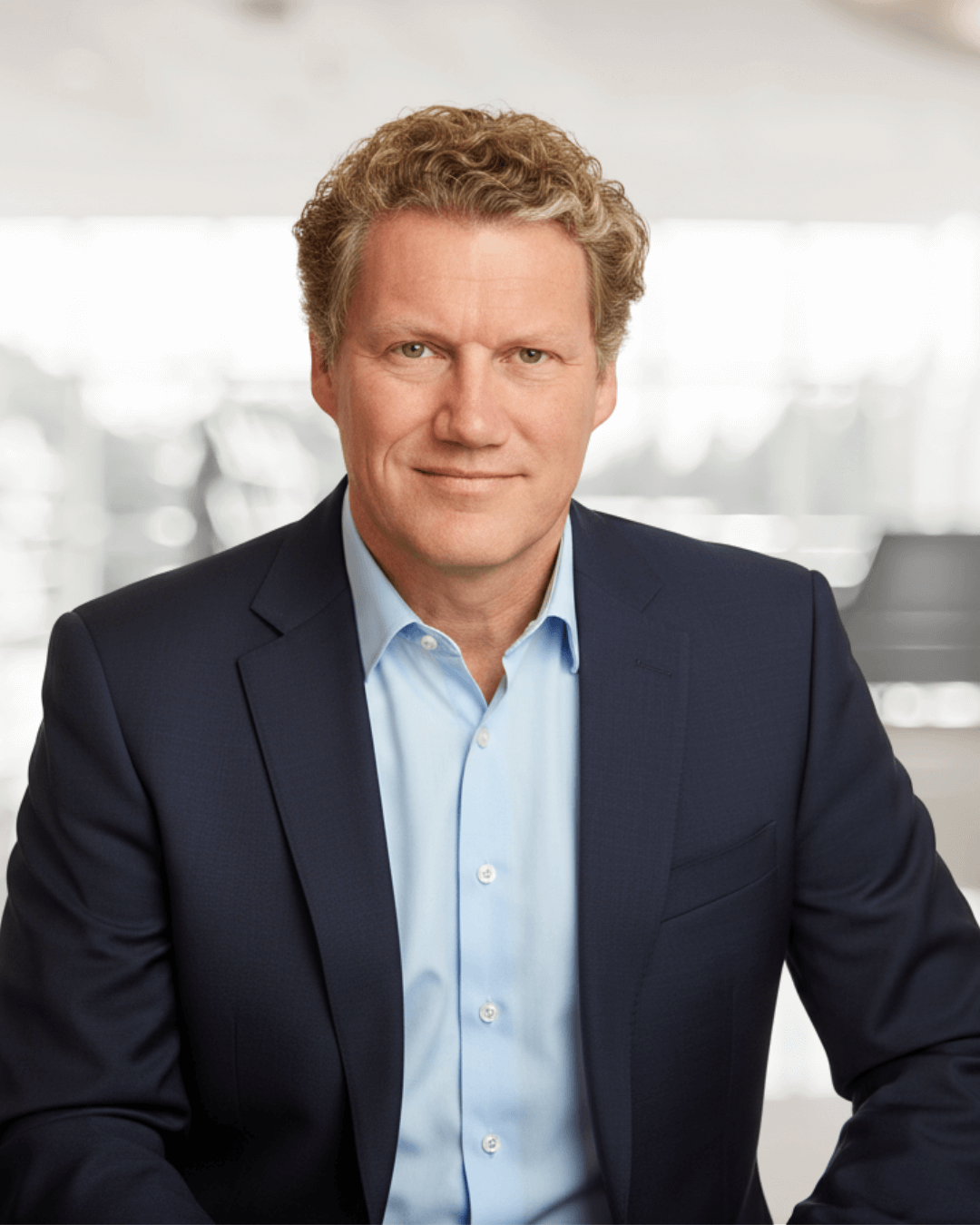
A man in a blue suit and light blue shirt, with curly blond hair, smiles softly against a blurred, bright indoor background, conveying professionalism.

Prof. Erik de Haan

Relational Coaching

Highlights & Achievements:

Professor, executive coach, and leading expert in coaching supervision. Erik is widely recognised for his contributions to relational coaching, organisational development, and reflective practice, supporting both individual coaches and leadership systems worldwide.
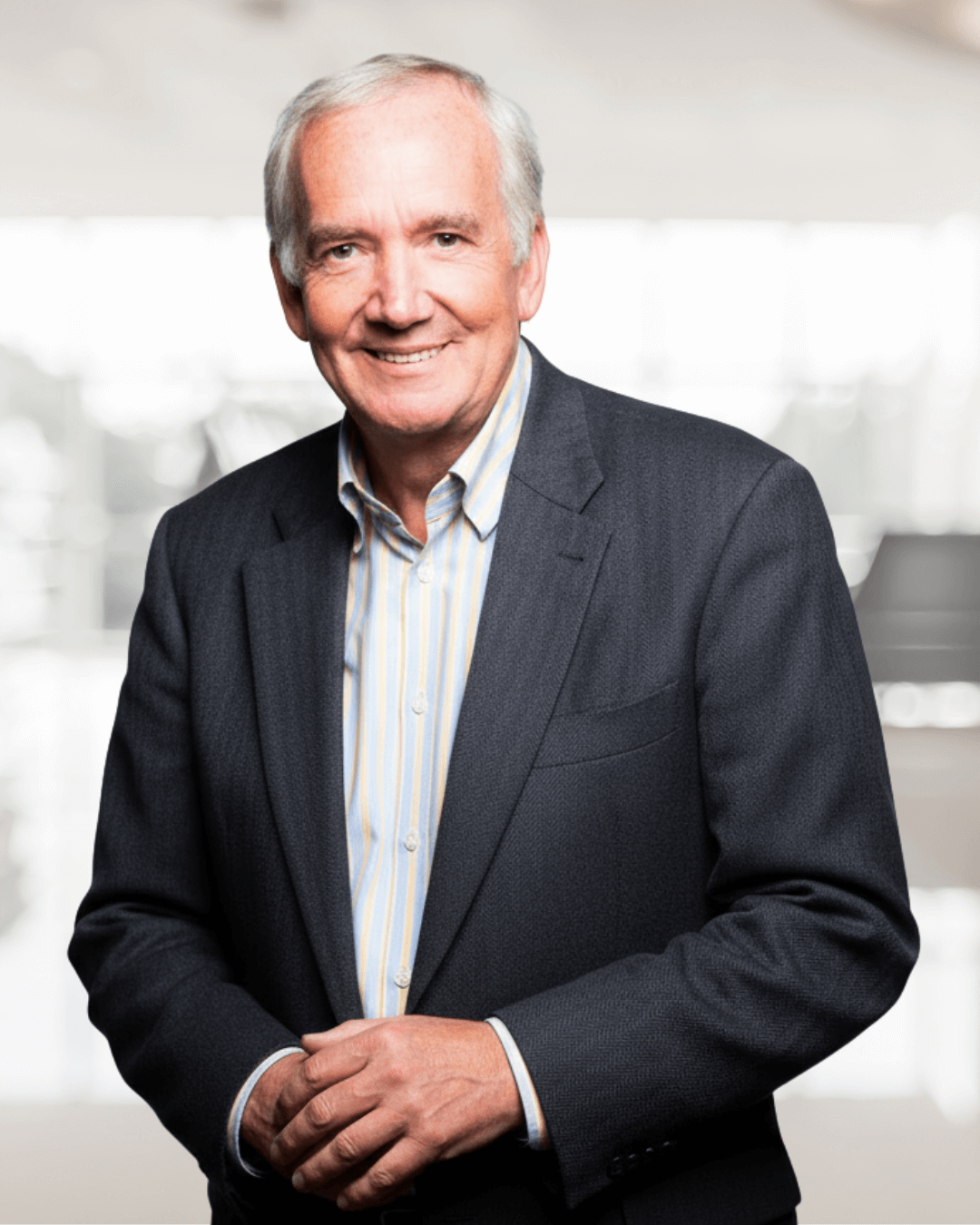
Elderly man in a dark suit and striped shirt smiles warmly, standing in a bright, blurred background. The tone is professional and approachable.

Prof. Peter Hawkins

The Coaching Relationships

Highlights & Achievements:

Professor of Leadership and a leading authority in systemic team coaching and coaching supervision. Peter works internationally with boards, leadership teams, and organisations, and has written extensively on leadership, coaching culture, and systemic change.
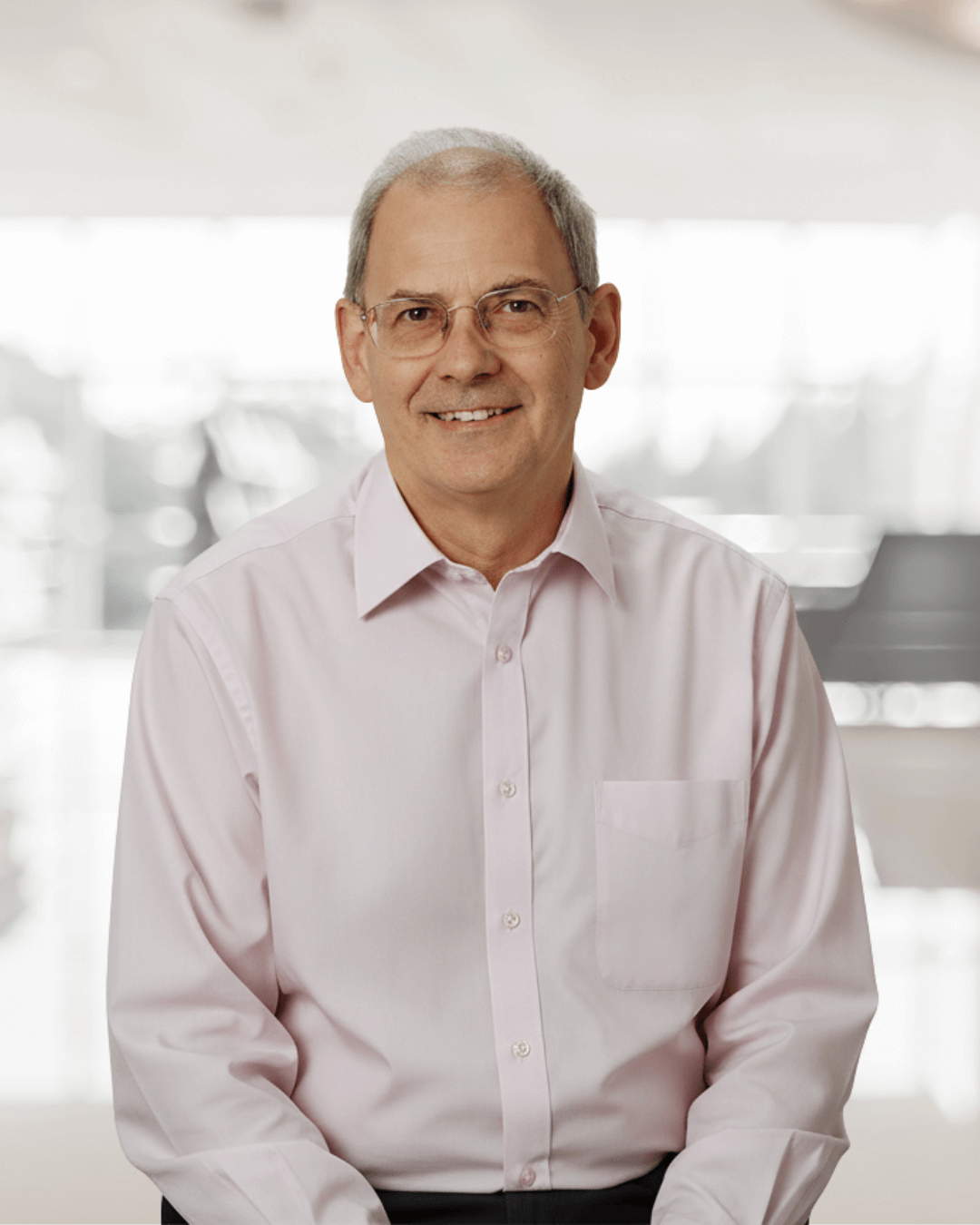
Smiling older man in glasses and a light pink shirt sits indoors, with a softly blurred background of a modern, brightly lit office space.

Prof. David Clutterbuck

Goals

Highlights & Achievements:

One of the world’s most influential figures in coaching and mentoring. Professor Clutterbuck has authored and co-authored foundational texts in coaching, mentoring, and organisational development. His work has shaped global standards for coaching practice, supervision, and mentoring relationships.
A bald man in a dark, buttoned shirt with patterned cuffs stands indoors. He smiles subtly, with a bright, blurred background, exuding a calm, confident presence.

Devon White

Communication

Highlights & Achievements:

Coach and leadership development practitioner involved in contemporary coaching education. Devon has contributed to professional coaching programmes and discussions alongside established academics and practitioners in the coaching field.
Smiling woman with short auburn hair wearing a black dress and polka dot jacket. She stands confidently in a bright, blurred office setting.

Linda Aspey

The Coaching Relationships

Highlights & Achievements:

Coach, facilitator, and contributor to professional coaching education. Linda is recognised within the coaching psychology and leadership development community for her involvement in learning programmes, events, and reflective coaching practice.
A woman with short white hair smiles confidently, wearing a red blazer with a popped collar. The background is softly blurred, creating a warm, professional ambiance.

Dr. Chérie Carter-Scott

Psychological Foundations

Highlights & Achievements:

Executive coach, author, and pioneer in the coaching profession. Often referred to as “The Mother of Coaching,” Dr. Carter-Scott has been a leading voice in personal and professional development since the 1970s. She is a bestselling author and has trained coaches and leaders worldwide in motivation, leadership, change, and self-esteem.
Smiling man in suit with colorful tie stands in bright, blurred office. Hands clasped, he exudes confidence and warmth.

Prof. Jonathan Passmore

An Introduction to Coaching

Highlights & Achievements:

Chartered Psychologist, Professor of Coaching and Behavioural Change, executive coach, and author. Jonathan has published extensively in coaching psychology, leadership, and organisational change, including numerous academic articles and books. He bridges academic research and applied practice, contributing globally to coach education and evidence-based coaching.
Smiling man in a black suit and white shirt stands against a softly blurred, bright background. The atmosphere is professional and approachable.

Dr. D. Ivan Young

The Coaching Relationships

Highlights & Achievements:

Coach, educator, and thought leader in professional and relationship-focused coaching. Dr. Young is frequently featured alongside senior coaching scholars and practitioners in advanced coaching education and professional development settings, contributing to the evolution of reflective and relational coaching practice.
Smiling woman with short red hair wearing a blue blouse and earrings, standing in a softly blurred indoor setting, conveying a warm, professional tone.

Catherine Bell

Psychological Foundations

Highlights & Achievements:

Professional Certified Coach (PCC) and Master of Applied Positive Psychology (MAPP). Catherine specializes in leadership transitions, executive presence, and sustainable performance. Her work combines positive psychology, emotional intelligence, and strategic leadership development to help leaders thrive while maintaining wellbeing and purpose.
Smiling man in a navy blazer and shirt stands confidently with hands in pockets. The backdrop is a softly blurred office environment, conveying professionalism.

Yannick Jacob

An Introduction to Coaching

Highlights & Achievements:

Existential Coach, Positive Psychologist, Coach Trainer, and Supervisor. Yannick is the Programme Lead for the Accredited Certificate in Integrative Coaching at the School of Positive Transformation. He has taught coaching, positive psychology, and personal development at institutions including the University of East London, Animas Centre for Coaching, and The School of Life. His work integrates existential philosophy, coaching psychology, and human development to support meaningful change in individuals and leaders.
psychology and spirituality bffs or rivals

Highlights & Achievements: