Silence, the Natural Remedy for Stress

It’s important to understand that remedy for stress isn’t the same as mental health disorders such as anxiety and depression, which require treatment from medical professionals.


“Between stimulus and response, there is a space. In that space is our power to choose our response. In our response lies our growth and our freedom.”

Viktor E. Frankl, Neurologist, Psychiatrist, Holocaust survivor

Surely Mr. Viktor Frankl knew how precious it was to have a moment of silence to himself. Surviving the ordeal of the holocaust has left him little time and space for himself, let alone a moment of silence. His quote suggested such a profound but simple truth about silence. It plays a significant role in most parts of our lives, but mostly, we do not even notice its existence. Silence has the power to get people to think, change their cause of action, calm the soul, and even feel rejuvenated in just a short period. This natural and powerful tool is always at our disposal yet not many have truly understood the importance of it.

Before you continue you might like to consider our free worksheet on exploring “Finding Joy In Life”. Please download this worksheet here.

Noise Kills

It may seem like an exaggeration, but noise can kill. It is not just hearing impairment that we are talking about here; noise can be a health hazard. A report released by the World Health Organization and the European Commission’s Joint Research Centre has highlighted that constant exposure to noise and incessant auditory interference can increase the chance of high blood pressure and fatal heart attacks. Such sound pollution can trigger a stress response from the body releasing a high level of stress hormones. The same study also noted that noise can impede a child’s development and has a lasting impact on their health, learning abilities, cognitive development, and even language skills.

With all the consequences that are associated with noise and sound pollution, we will be wise to make better choices when deciding on the environment we want to be in or the kind of music that we allow to pipe through our earbuds. It is better to be safe than sorry.

Silence Has Its Benefits

There are astonishing benefits to observing moments of silence in our everyday life. Not only can it relieve stress and anxiety, but at the deeper level, it helps to generate new brain cells in the hippocampus (a small organ located within the brain that helps to develop emotions and long-term memory), improves our reflexes and immune system. By providing a quiet space for our brain, we are essentially allowing it to grow more effectively and efficiently.

In a test that was conducted on mice to determine how noise can impact brain functions, it was found that after placing the mice in a silent condition for two hours, new brain cells begin to grow in the area of the brain that is associated with learning and emotion. The new cells are also noted to be fully functional neurons that can improve the brain development of the mice.

In another research conducted in 2006, it was observed that just two minutes of silence can decrease stress by lowering blood cortisol levels and adrenaline. It is truly remarkable to know how little it takes for us to restore our mental health and relieving tension in the body and brain. If two minutes is all it takes to improve our stress condition, just imagine how much healing it can do if we can just find two minutes a day to enjoy a moment of silence.

A quick search online will reveal a whole host of other benefits relating to quieting one’s mind and environment. Much like engaging in mindfulness practice, it is way easier to derive clarity and a sense of balance when we can linger in that “space between stimulus and response”. It is in that “space” that we are not affected by mental chatters or external biases. Perhaps this is why many are running away to far and secluded places for personal retreats instead of staying in the hustle and bustle of city life.

Be Still and Know

If taking moments of silence can allow us to harness the countless benefits that are associated with it, I certainly think it is well worth the effort. Besides, it is natural, non-invasive, and can be practiced at our own time and space. There is no need for an elaborate setup or tools, all you need is a quiet place and alone time. It can be as simple as staring out of a window looking into the night sky, walking in a park or a few minutes of mindful breathing just before you go to sleep.

Like I always say, nature has already provided us with all the cures and remedy for stress that we will ever need, all we need to do is to embrace them. A little effort on our part can help us go a long way to maintaining a healthy body, mind, and soul.


Ready to find more joy and peace in your life? Download our free ‘Finding Joy in Life Workbook’ and explore simple, effective ways to embrace silence and reduce stress.


WAIT!

Before you go, we'd like to give you a FREE workbook to support your journey 👇

Smiling woman with wavy brown hair wearing a navy blazer and white shirt, standing in a softly blurred office setting, conveying positivity.

Carolyn Freyer-Jones

Kickstart Your Coaching Practice

Highlights & Achievements:

Coach, facilitator, and contributor to coaching education. Carolyn is associated with practical coaching training and learning resources, supporting coaches and leaders in developing effective, ethical, and reflective coaching practices.
Man in a light blue shirt smiles gently at the camera. He has short, dark hair and stands against a blurred indoor backdrop, conveying warmth and approachability.

Rob Willson

Cognitive Behavioral Coaching

Highlights & Achievements:

Coach and educator contributing to leadership and coaching skills development. Rob is involved in professional training contexts, supporting the application of coaching tools and methodologies in organisational settings.
A woman with shoulder-length blonde hair is confidently posing with crossed arms. She wears a black and white checkered outfit and a necklace. The background is softly blurred, suggesting an indoor setting.

Prof. Ilona Boniwell

Positive Psychology Coaching

Highlights & Achievements:

Professor of Positive Psychology and Coaching Psychology. Ilona is a pioneer of applied positive psychology education in Europe and has founded and led postgraduate programmes in the field. Her work focuses on wellbeing, resilience, strengths, and evidence-based positive psychology interventions.
A middle-aged man with short gray hair and a beard wears a white turtleneck and a navy blue striped sweater, standing confidently indoors.

Jon Williams

Coaching for Performance

Highlights & Achievements:

Coach and contributor to professional coaching education and training programmes. Jon is involved in leadership and coaching development initiatives, supporting skill-building and reflective practice within organisational and coaching contexts.
A man in a blue suit and light blue shirt, with curly blond hair, smiles softly against a blurred, bright indoor background, conveying professionalism.

Prof. Erik de Haan

Relational Coaching

Highlights & Achievements:

Professor, executive coach, and leading expert in coaching supervision. Erik is widely recognised for his contributions to relational coaching, organisational development, and reflective practice, supporting both individual coaches and leadership systems worldwide.
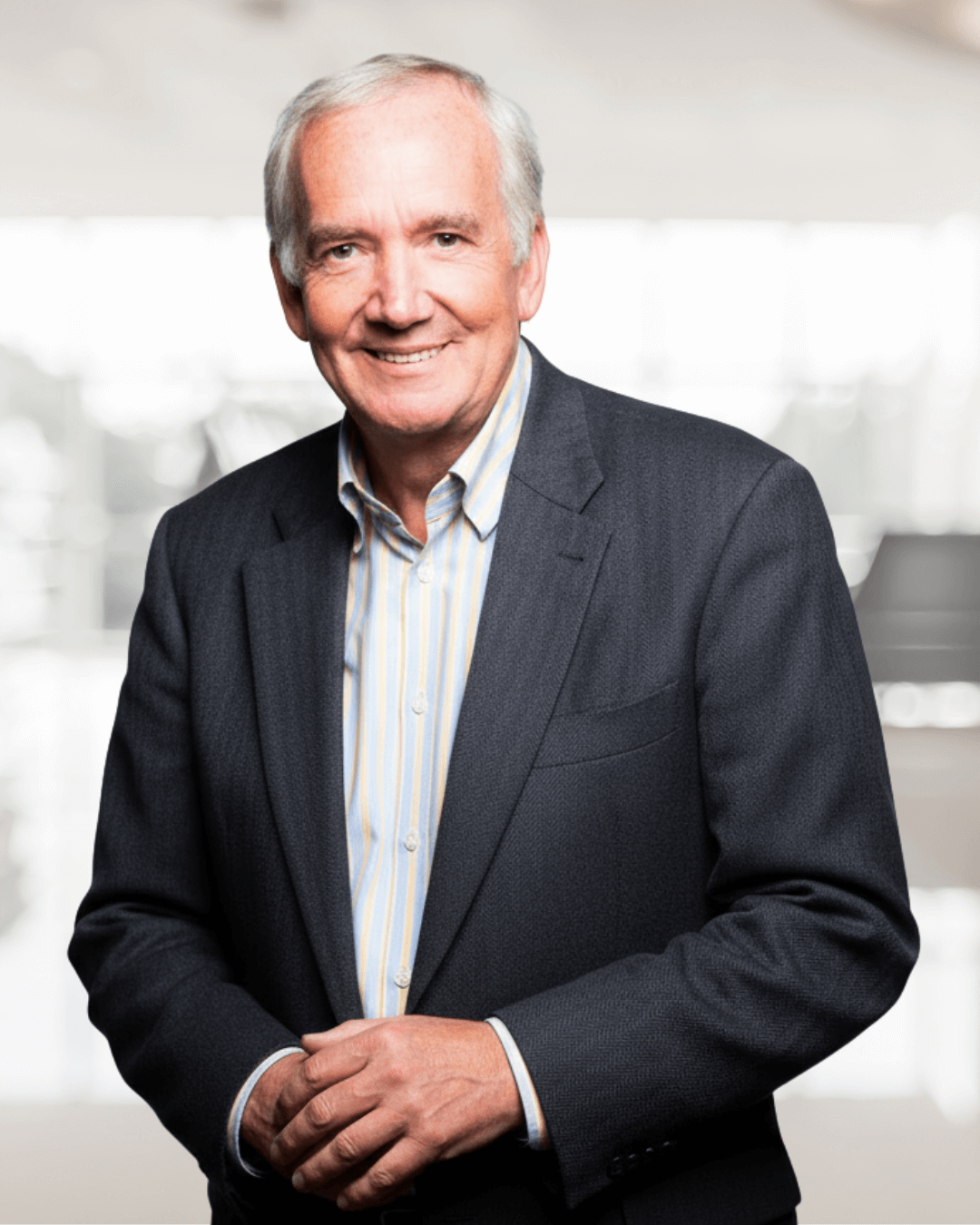
Elderly man in a dark suit and striped shirt smiles warmly, standing in a bright, blurred background. The tone is professional and approachable.

Prof. Peter Hawkins

The Coaching Relationships

Highlights & Achievements:

Professor of Leadership and a leading authority in systemic team coaching and coaching supervision. Peter works internationally with boards, leadership teams, and organisations, and has written extensively on leadership, coaching culture, and systemic change.
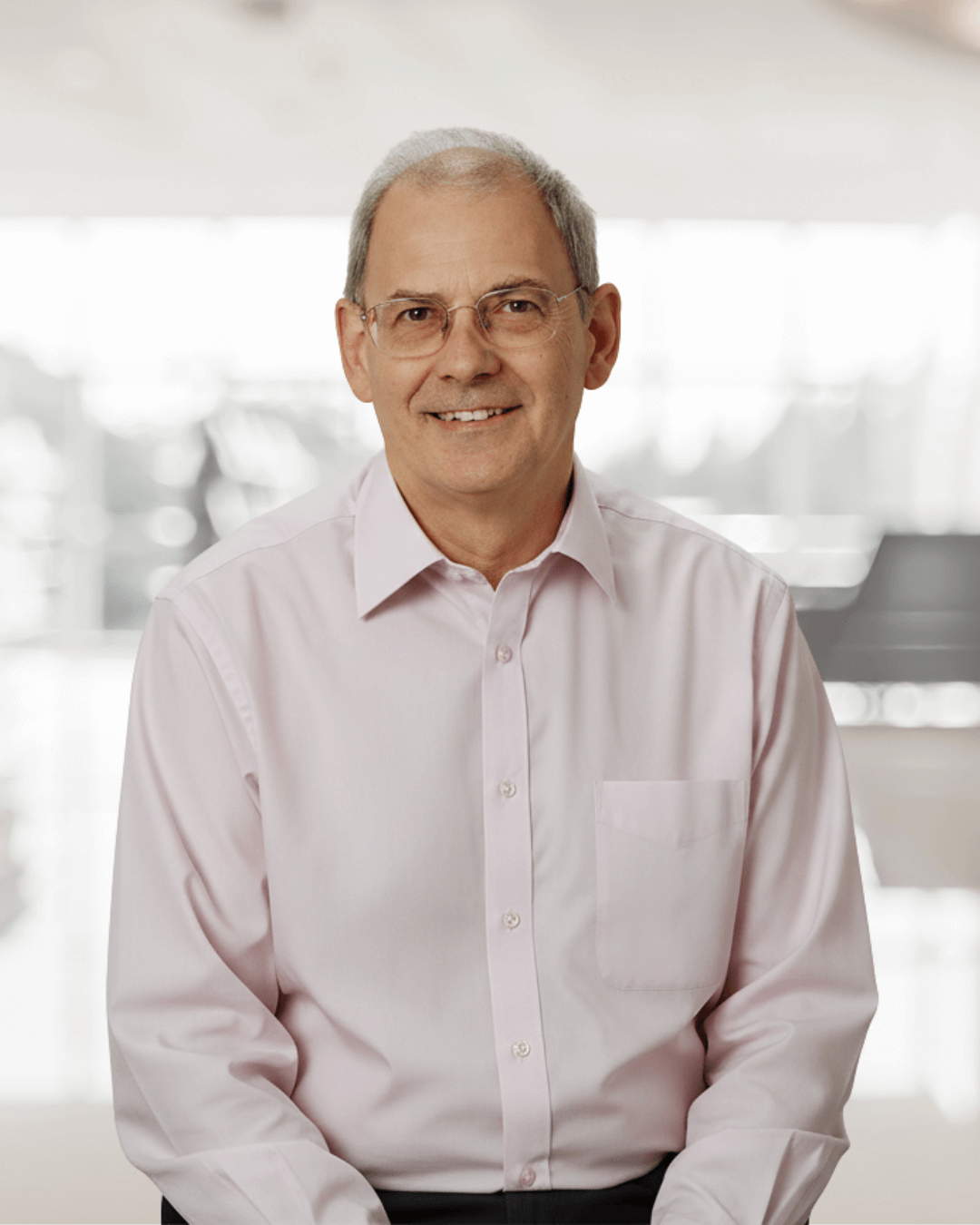
Smiling older man in glasses and a light pink shirt sits indoors, with a softly blurred background of a modern, brightly lit office space.

Prof. David Clutterbuck

Goals

Highlights & Achievements:

One of the world’s most influential figures in coaching and mentoring. Professor Clutterbuck has authored and co-authored foundational texts in coaching, mentoring, and organisational development. His work has shaped global standards for coaching practice, supervision, and mentoring relationships.
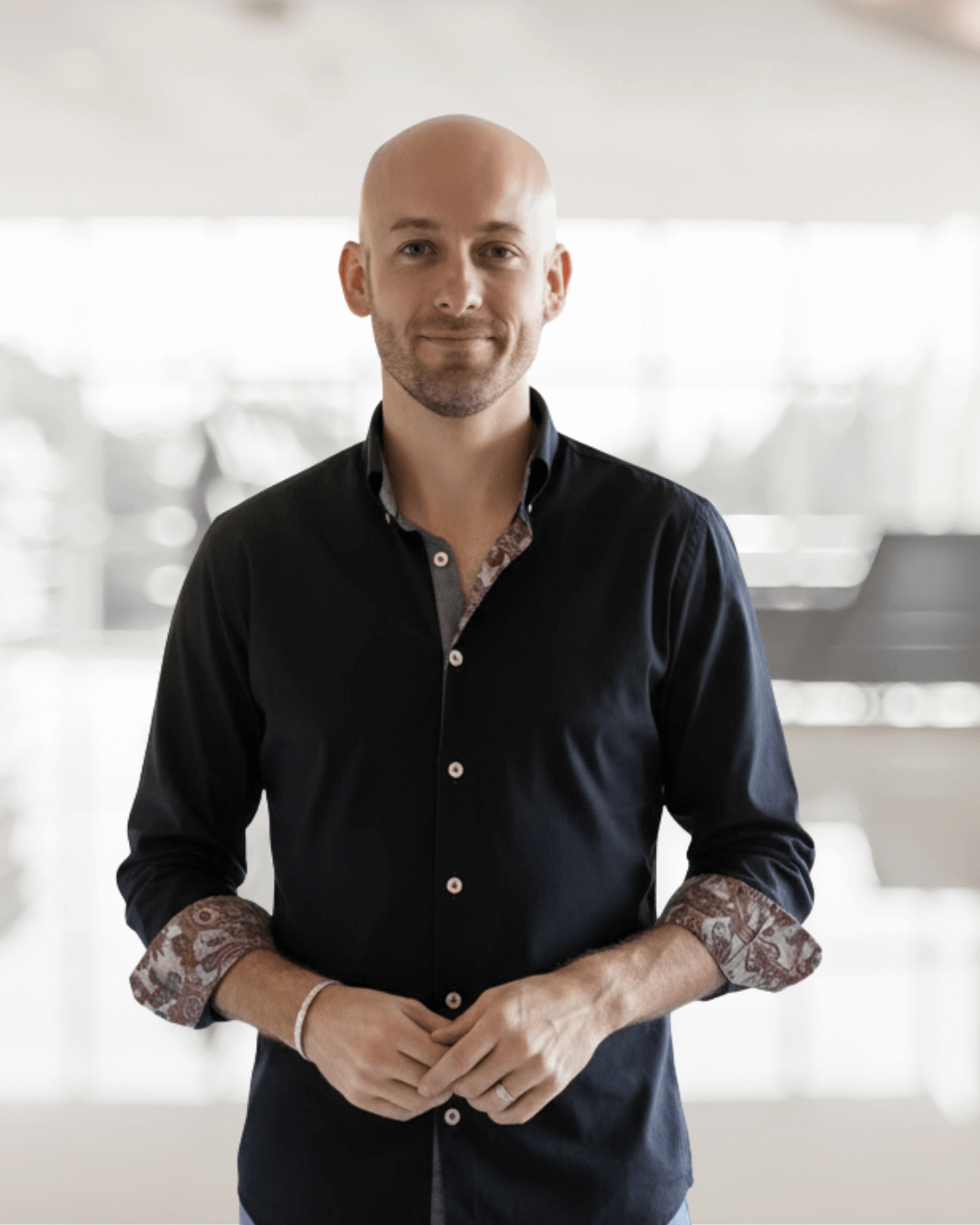
A bald man in a dark, buttoned shirt with patterned cuffs stands indoors. He smiles subtly, with a bright, blurred background, exuding a calm, confident presence.

Devon White

Communication

Highlights & Achievements:

Coach and leadership development practitioner involved in contemporary coaching education. Devon has contributed to professional coaching programmes and discussions alongside established academics and practitioners in the coaching field.
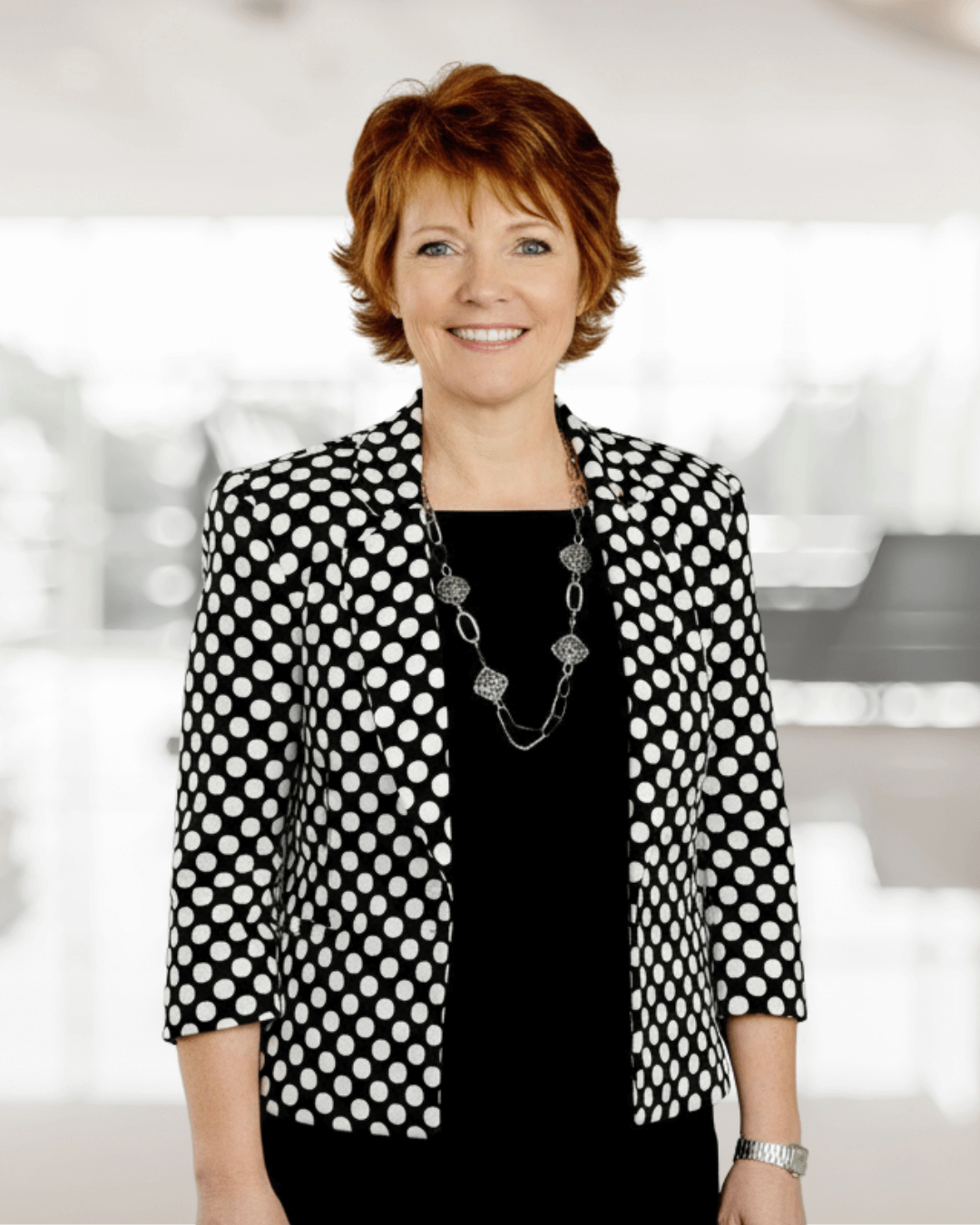
Smiling woman with short auburn hair wearing a black dress and polka dot jacket. She stands confidently in a bright, blurred office setting.

Linda Aspey

The Coaching Relationships

Highlights & Achievements:

Coach, facilitator, and contributor to professional coaching education. Linda is recognised within the coaching psychology and leadership development community for her involvement in learning programmes, events, and reflective coaching practice.
A woman with short white hair smiles confidently, wearing a red blazer with a popped collar. The background is softly blurred, creating a warm, professional ambiance.

Dr. Chérie Carter-Scott

Psychological Foundations

Highlights & Achievements:

Executive coach, author, and pioneer in the coaching profession. Often referred to as “The Mother of Coaching,” Dr. Carter-Scott has been a leading voice in personal and professional development since the 1970s. She is a bestselling author and has trained coaches and leaders worldwide in motivation, leadership, change, and self-esteem.
Smiling man in suit with colorful tie stands in bright, blurred office. Hands clasped, he exudes confidence and warmth.

Prof. Jonathan Passmore

An Introduction to Coaching

Highlights & Achievements:

Chartered Psychologist, Professor of Coaching and Behavioural Change, executive coach, and author. Jonathan has published extensively in coaching psychology, leadership, and organisational change, including numerous academic articles and books. He bridges academic research and applied practice, contributing globally to coach education and evidence-based coaching.
Smiling man in a black suit and white shirt stands against a softly blurred, bright background. The atmosphere is professional and approachable.

Dr. D. Ivan Young

The Coaching Relationships

Highlights & Achievements:

Coach, educator, and thought leader in professional and relationship-focused coaching. Dr. Young is frequently featured alongside senior coaching scholars and practitioners in advanced coaching education and professional development settings, contributing to the evolution of reflective and relational coaching practice.
Smiling woman with short red hair wearing a blue blouse and earrings, standing in a softly blurred indoor setting, conveying a warm, professional tone.

Catherine Bell

Psychological Foundations

Highlights & Achievements:

Professional Certified Coach (PCC) and Master of Applied Positive Psychology (MAPP). Catherine specializes in leadership transitions, executive presence, and sustainable performance. Her work combines positive psychology, emotional intelligence, and strategic leadership development to help leaders thrive while maintaining wellbeing and purpose.
Smiling man in a navy blazer and shirt stands confidently with hands in pockets. The backdrop is a softly blurred office environment, conveying professionalism.

Yannick Jacob

An Introduction to Coaching

Highlights & Achievements:

Existential Coach, Positive Psychologist, Coach Trainer, and Supervisor. Yannick is the Programme Lead for the Accredited Certificate in Integrative Coaching at the School of Positive Transformation. He has taught coaching, positive psychology, and personal development at institutions including the University of East London, Animas Centre for Coaching, and The School of Life. His work integrates existential philosophy, coaching psychology, and human development to support meaningful change in individuals and leaders.
silence the natural remedy for stress

Highlights & Achievements: