Understanding the Art of Mindfulness: Easy Tips for Practice
I have learned that to achieve mindfulness we must first achieve a state with the following components:
- Being aware of the present
- Acknowledging and accepting difficult physical and emotional sensations
- Be devoid of judgment
I will illustrate the above through a simple story to help visualize the Art of Mindfulness that can be used in meditation teaching.
In This Article:
The Girl With A Wine-Stained Dress
Being aware of the present
Acknowledging and accepting difficult physical and emotional sensations
Be devoid of judgment
5 Easy Tips To Practice Mindfulness
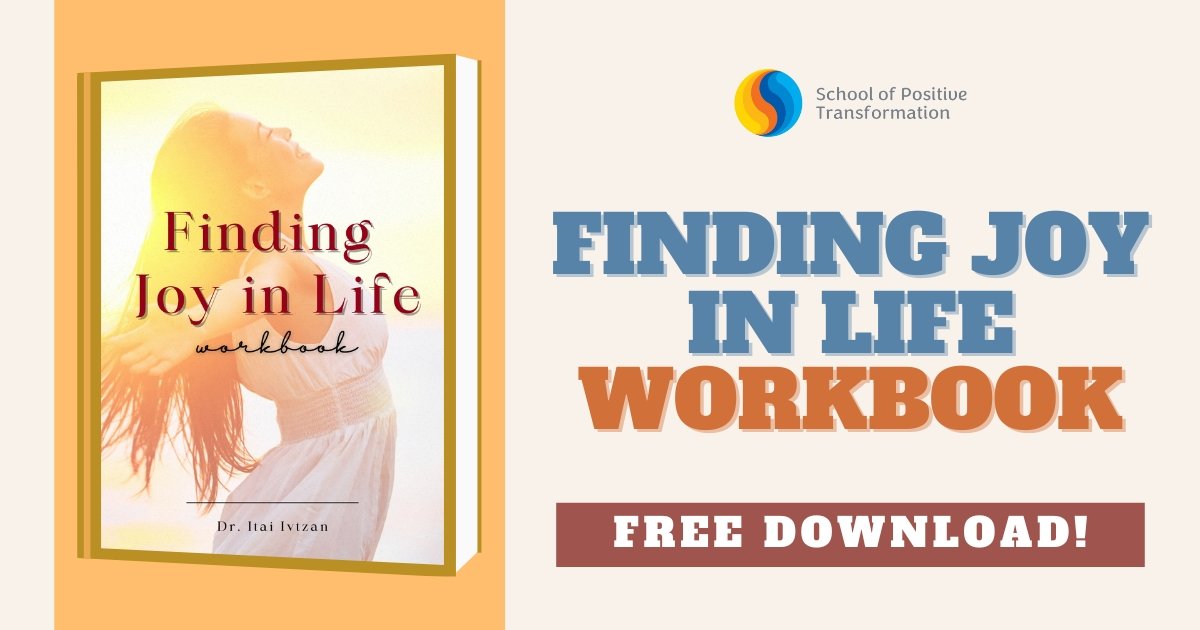
Before you continue, you might like to consider our free worksheet on exploring “Finding Joy In Life”. Please download this worksheet here.
The Girl With A Wine-Stained Dress
 She was all poised, confident, and elegant. People looked at her, and stared, they even did second glances while mentally saying, “that girl is so fine”. But then out of nowhere, a glass of wine was spilled on her outfit. And people hushed. Now everyone is curious about what will happen next.
She was not expecting a scene like this. She was shocked, mouth agape for seconds then she closed her eyes for some time, taking everything in. She then took a deep breath, opened her eyes, and looked, unexpectedly, a lot calmer. And then she started laughing. The people were dumbfounded.
A friend then came to her side and tapped her on the shoulder, she immediately snapped out of euphoria. She stopped laughing, but she was still smiling. She walked away from the party crowd and went to fix herself in the restroom.
Her friend, then came to assist and asked her about the incident.
“Why were you laughing a while ago? I mean, I think you should be upset, you’re the night’s eye-candy and your night was ruined by that big blotch of stain now….”
“Was it such a scene? I noticed that the people fell silent.”
“Yes, it was such a scene. I just didn’t get it why you laughed…”
“So you heard…”
“It was too damn silent I knew something was up so I came to look for you and then I saw you laughing, with the wine spilled on your dress.”
“No, I was not referring to my laugh. It was silence.
You heard the silence.
That judging silence.
People judge by what they see. By what you have, and what you don’t have. I laughed because I realized if I went to this party with such a simple dress and no jewelry, do you think they would still fall silent seeing that scene?
I’m guessing that yes, they would.
So it makes no difference.”
“I don’t get what you’re pointing out.”
“I’m just saying that inevitable things come and it doesn’t matter what you have and what you don’t have at that time. People will see you. And there will always be those that will judge you. So I laughed.”
“I laughed because, at the end of this night, it’s not about their judgments or compliments, or their words and thoughts that should matter to me. I should not burden myself with people who will judge my carelessness or the physical being they see. This night isn’t about what they think of me.
I laughed because in the end, what should only matter to me is myself. The experience.”
-
Being aware of the present
There is a grounding exercise that I used that is also taught to the people who experience panic and anxiety attacks. I found this helpful and I hope that you too will try to remember this: 54321.
- If ever someone is at a point of too much anxiety or the edge of a panic attack, we have to remind them to take slow deep breaths.
- Inhale, hold for 2 seconds and slowly exhale.
- Repeat it until you have caught your breath then do the following:
5: Acknowledge FIVE things you see around you. … 4: Acknowledge FOUR things you can touch around you. … 3: Acknowledge THREE things you hear. … 2: Acknowledge TWO things you can smell. … 1: Acknowledge ONE thing you can taste. This grounding technique, as I found out, can be quite similar to the techniques and meditation practice guide that your meditation instructor may give you as mindful meditation’s technique for getting back into focus is putting the attention on one’s breathing. In meditation teaching we’d learn that focusing on one’s inhaling and exhaling helps keep me focused on the present especially by the use of the senses. This is similar to being aware of the present, rooting us to where and when we actually what are, and to who we are. I could liken being mindful of seeing more with our eyes closed.
- It aids in knowing myself and being peaceful with it
- Helps us get to know where we are at the moment (place or situation)
- What wewant in my life
- What we are not
- What we aspire to be
- And what we can do at the moment to get where we want to be.
“And just like the girl with a wine-stained dress. You close your eyes.”

-
Acknowledging and accepting difficult physical and emotional sensations
I realized that we close our eyes in moments that we want to surrender.
- We close our eyes when we surrender to sleep.
- We close our eyes when you don’t want to see something that might hurt physically or emotionally.
- We close our eyes when we are tired.
It is when we close our eyes that we surrender to our thoughts and feeling.
It is in surrendering that I could show my strength.
It was a delightful discovery when I realized that I should never think of myself as weak when I surrender to the things I can no longer change (past) or can’t control yet (future).
Sometimes, surrendering also means that I am being at the moment. It is in surrendering that I get to confront my biggest fears, my flaws, shortcomings, frustrations, and the darkest thoughts within me.
Mindfulness is surrendering our humanity, acknowledging our weaknesses, strengths, flaws, and talents. I became aware that I should understand and accept that there is a dark side of me but it doesn’t mean that I should be consumed by it.
We have to surrender only to the present. Not to the past or the worry of the future.
“And just like the girl with a wine-stained dress, after closing your eyes you take everything in. You take a deep breath.”
-
Be devoid of judgment
After closing our eyes, and surrendering at the present, we exhale. Remember that it will take a while before we can come into peace with ourselves, but it doesn’t mean that it won’t come for you. Being mindful makes us open to the world yet it also keeps us untouched by the experience. Let us learn to enjoy the moment the quirks of accepting who you are and who you are not. “Like the girl with a wine-stained dress, you open your eyes, a lot calmer and then you’ll laugh. You’ll laugh because you saw a lot of things when you closed your eyes for a moment. You’ll laugh because you know that you are not afraid of silence or judgment because you know yourself better. You’ll laugh because in the end, what should matter to you is yourself. The experience.”
5 Easy Tips To Practice Mindfulness
- Meditate.
I try to find myself time and space for me to sit somewhere comfortable where I can close my eyes and focus. I forgive myself when I forget to meditate. I just always try again.
I imagine myself as the girl with a wine-stained dress and I continue to evaluate and accept myself. I remember that it took me a long time before I finally found peace with who I am. It wasn’t easy, but I tried harder every day to achieve the peace I have long wanted.
I suggest that you find a meditation buddy or a meditation teacher to guide you through meditation so you can focus on yourself.
- Select a time that you will allot on just one task.
On weekends or holidays, I find a time to do a craft or a task that I could put my full focus on (like painting, pottery, writing, baking, etc.) As for me, I sketch and paint every weekend, with no simultaneous work, or reading.
I make sure that I am going to focus on just on it, saving my multitasking skill some other time. You will realize that this is a good exercise for focus and patience.
- Have time-off of your gadgets.
I limit my screen time with my gadgets especially before bedtime, and before meditation.
This has helped me focus on myself more, as I get to enjoy other tasks like reading books, household chores, cooking, and exercising. A time away from the screens has helped me value time and prevent myself from mindless scrolling and clicking.
- Do a physical fitness activity.
I noticed that the more I practice mindfulness through physical fitness activities, the more that it is that I discover myself, how to take care of it, and the more that I doing actual caring for my physical body mental state. and. You can do some exercise, yoga, pilates, jogging, walking, swimming, etc.

- Eat mindfully.
Being mindful as I learned involves eating slowly, preferably without distractions. I get to savor the moment and the food, the aroma, I get to enjoy the experience of the acts that I usually take for granted.
It’s amazing and you should try it often.
And just like the girl with a wine-stained dress may we learn to always—
ALWAYS, love the experience.
If you’re ready to embrace the present moment and cultivate mindfulness in your life, download our Finding Joy in Life Workbook to help you explore mindfulness techniques and create lasting peace within.